Cost of Living in Cartagena: A Real 2026 BreakdownCosto de Vida en Cartagena: Un Desglose Real para 2026
Mike Chartrand
By Mike Chartrand · Updated May 2026
Specific question while you read? Ask Catalina, the Cartagena Guide concierge.¿Pregunta específica mientras lees? Pregúntale a Catalina, la concierge de Cartagena Guide.Chat with Catalina ›Habla con Catalina ›
Last updated: May 2026. Cartagena is far cheaper than any comparable beach city in the US or Europe, but it is the most expensive of Colombia's Caribbean cities, and noticeably pricier than Barranquilla for housing in the desirable zones. Tourism and foreign demand push prices up, and the year-round heat keeps your A/C (and your electricity bill) running. This guide walks through what a real month actually costs at three lifestyle tiers, with honest numbers rather than optimistic ones.
Summary: three realistic monthly budgets
The honest answer to "how much does it cost to live in Cartagena?" depends entirely on the lifestyle you want and the neighborhood you pick. Three reference points for a single person or a couple:
Lean local: single, some Spanish, settled in for the long haul with local habits: COP 4.5 to 6.5 million/month (USD 1,125 to 1,625). A 1-bed away from the tourist core (Crespo, Pie de la Popa, or the inland side of Manga), mostly home cooking and menú del día lunches, Transcaribe plus the occasional rideshare, local prepaid health insurance, modest A/C use.
Comfortable expat: newcomer, professional, working remotely: COP 8 to 13 million/month (USD 2,000 to 3,250). A 1 to 2-bed in Manga, Crespo, or a less-prime Bocagrande block, restaurants several times a week, daily rideshare, a gym, international or premium health coverage, weekend boat trips and beach days.
Near-luxury: wants the waterfront, wants everything: COP 16 to 28 million/month (USD 4,000 to 7,000). A waterfront 2 to 3-bed in Castillogrande, El Laguito, or a furnished apartment inside the Walled City, a housekeeper, frequent fine dining, near-constant A/C, private school if there are kids, and the premium that comes with a postcard address.
Exchange rate used throughout: COP 4,000 = USD 1 (May 2026). Use XE for the live rate before you commit to a budget.
Why Cartagena costs more than inland Colombia
Three Cartagena-specific realities sit behind every number in this guide, and they are the reason it runs pricier than Barranquilla, Bucaramanga, or the coffee region:
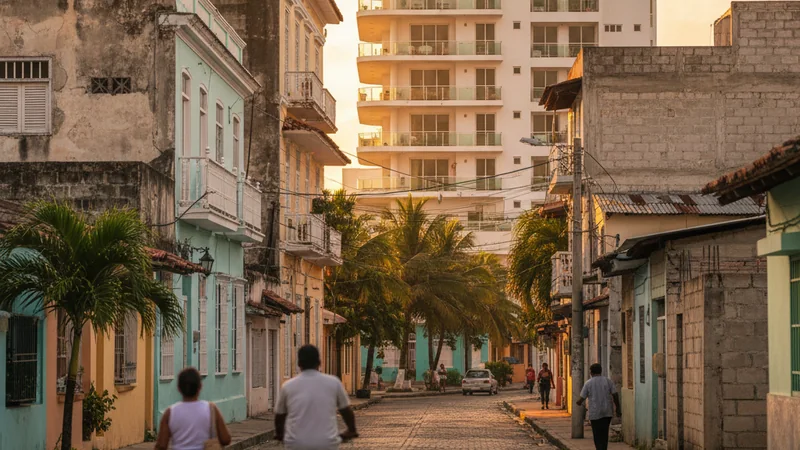
The tourist-zone premium. Bocagrande, Castillogrande, the Walled City (Centro), and Getsemaní carry a real surcharge, especially for short-term rentals competing with Airbnb. A furnished apartment a tourist would book by the night can cost two or three times what the same unit rents for on a one-year local lease. Foreign and second-home demand keeps prices in these zones elevated year-round.
A/C runs all year. Cartagena is hot and humid every single month. There is no cool season to give your electricity bill a break, so air conditioning is the single biggest swing factor in your cost of living. The same apartment can cost double in electricity depending purely on how aggressively you run the A/C.
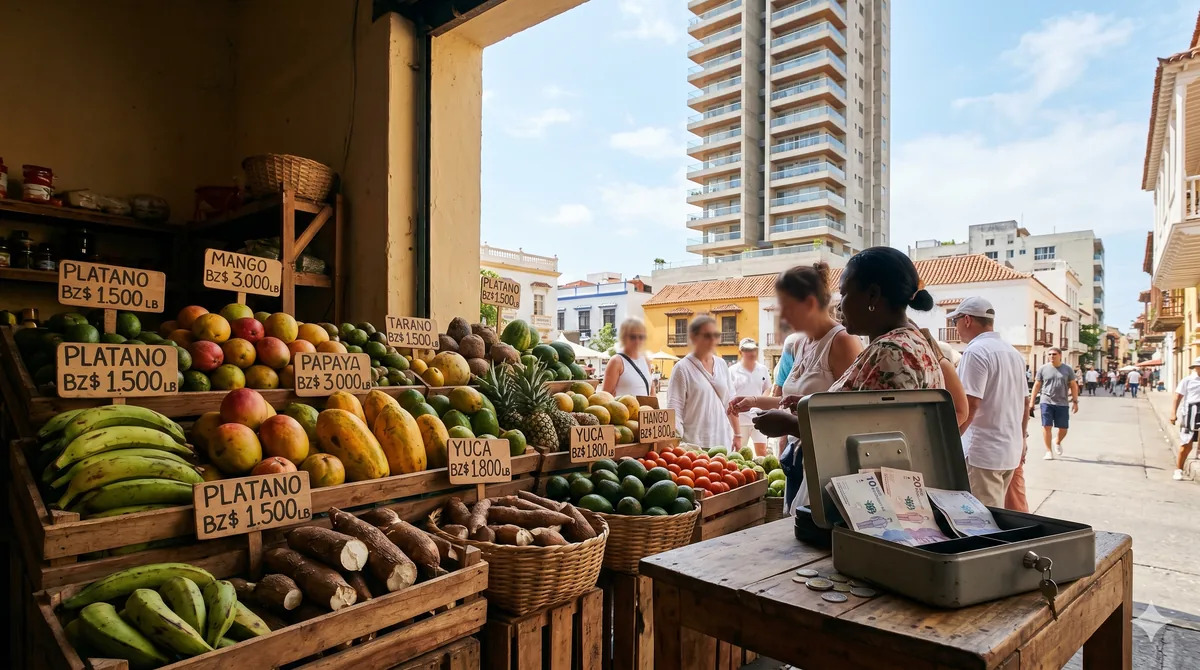
The tourist-price gap. There are effectively two price lists in Cartagena. The tourist-facing one (restaurants in Centro, beach vendors, taxis without a meter) and the local one (a neighborhood menú del día, the corner fruit stand, a rideshare app). Learning where the local list applies is the difference between an expensive city and a reasonable one.
None of this makes Cartagena unaffordable. It makes it a city where your address and your habits matter more than they do inland.
Housing
Housing is where Cartagena most clearly pulls ahead of Barranquilla. The desirable, walkable, waterfront zones command a premium because they are also the zones tourists and second-home buyers want. The figures below are indicative unfurnished long-term monthly rents. We are deliberately not naming specific buildings or quoting a single landlord's price; treat these as ranges you can sanity-check against current listings.
Area
1 bed
2 bed
Castillogrande / El Laguito (waterfront premium)
COP 3.2 to 5.0M
COP 4.5 to 7.5M
Bocagrande (high-rise corridor)
COP 2.8 to 4.5M
COP 3.8 to 6.5M
Centro / Getsemaní (Walled City, furnished-heavy)
COP 3.0 to 5.5M
COP 4.5 to 8.0M
Manga (historic island, mid)
COP 2.0 to 3.2M
COP 2.8 to 4.5M
Crespo / Marbella (mid, quieter)
COP 1.8 to 3.0M
COP 2.5 to 4.0M
Pie de la Popa / El Cabrero (inland, cheaper)
COP 1.3 to 2.2M
COP 1.8 to 3.0M
A few things to keep in mind. Add 30 to 70% for furnished units, the furnished premium runs higher in Cartagena than inland because so much of the furnished stock is set up for short-term tourist rental. Add the monthly administración (HOA), which is COP 400k to 1.2M for most apartment buildings with a pool, gym, and 24-hour porter (it skews higher in Castillogrande and El Laguito towers). Always ask whether the quoted rent includes administración, and always ask the estrato before you sign, it tells you the utility tier you are about to inherit. For the full neighborhood character read, see our guide to the estrato system.
The estrato reality in Cartagena: Colombia ranks residential addresses on a 1 to 6 scale. Estrato 1 to 3 pays subsidized utility rates; estrato 5 to 6 pays a surcharge. Most of Bocagrande, Castillogrande, and El Laguito are estrato 5 to 6, meaning you pay more per kilowatt-hour before you have even turned on a single A/C unit. Combined with near-constant cooling demand, estrato 5 to 6 residents can see electricity bills 40 to 60% higher than a comparable inland estrato 3 property. Manga is generally estrato 3 to 4. Pie de la Popa and El Cabrero run estrato 3. This alone is worth factoring into your neighborhood choice.
Say this when viewing an apartment
"¿Cuál es el estrato del apartamento? ¿La administración está incluida en el canon o es aparte? ¿Cuánto fue el último recibo de luz?"
"What estrato is the apartment? Is the administración included in the rent or separate? What was the last electricity bill?"
Utilities
This is where Cartagena bites. The city is hot and humid all year, so A/C is not a luxury, it is a daily-running appliance, and electricity becomes the single largest variable line in your budget. Estrato 5 and 6 households (most of Bocagrande, Castillogrande, El Laguito) pay a surcharge on top of the base rate, which compounds the heat penalty. Typical monthly figures for a 2-bed in the desirable zones with moderate A/C use:
Electricity (Afinia): COP 450 to 800k with moderate A/C. Runs COP 800k to 1.4M with heavy A/C, an older building, or a high-estrato surcharge. This one number swings your whole budget.
Internet (100 to 500 Mbps fiber, Claro/Tigo/Movistar/WOM): COP 90 to 180k.
Mobile phone (prepaid, 20 GB/month): COP 30 to 50k.
Total utility bundle: COP 700k to 1.5M/month in the desirable zones, driven almost entirely by the electricity line. In a lower-estrato inland neighborhood (Pie de la Popa, El Cabrero) with disciplined A/C use, you can keep the whole bundle closer to COP 450 to 700k. Most expats live in estrato 5 to 6, where the heat and the surcharge both work against you.
Say this when calling Afinia about a high bill
"Quiero entender mi consumo. ¿Cuántos kilovatios-hora consumí este mes comparado con el mes pasado? ¿Y cuál es la tarifa por estrato que me aplica?"
"I want to understand my consumption. How many kilowatt-hours did I use this month compared with last month? And what is the applicable rate for my estrato?"
Food and groceries
Groceries
Weekly grocery cost for two adults cooking most meals: COP 280 to 480k, depending on whether you shop the local markets (cheaper) or the upmarket chains (pricier, with more imported brands). Key options:
Éxito, the main supermarket chain. Reliable, mid-priced, everywhere.
Carulla, the upmarket chain, imported brands and better produce; you pay a premium.
Olímpica, regional chain, cheaper than Éxito and widely distributed.
Makro / PriceSmart, wholesale and membership warehouse, good for long-stays buying in bulk.
Mercado de Bazurto, the chaotic central market. Far cheaper than any supermarket on fresh produce, seafood, and meat (often 30 to 50% less), but it is intense; go with a local the first time.
Rappi, app-based grocery and restaurant delivery works across the city; typical delivery fee COP 4 to 9k.
Eating out
This is where the tourist-price gap is sharpest. Eat where Cartageneros eat and the city is cheap; eat inside the Walled City tourist core and it is not.
Neighborhood menú del día lunch (local set menu): COP 15 to 28k.
Casual dinner for two, mid-range neighborhood restaurant: COP 90 to 160k with a couple of beers.
Tourist-core dinner for two, Centro or Getsemaní sit-down: COP 200 to 400k, the same plate can cost double what it would in Manga.
Tasting-menu dinner at the top end (Carmen, Celele, Alma): COP 500k to 1M for two with wine.
Coffee at a café: COP 5 to 14k.
Beer at a casual bar: COP 6 to 14k. Inside a Centro rooftop or club: COP 18 to 30k.
A realistic monthly restaurant spend for a couple that goes out 4 to 5x/week, mixing local and tourist-zone meals: COP 1.8 to 3.5M.
Say this to order the menú del día
"¿Tienen menú del día? ¿Qué trae hoy?"
"Do you have a set lunch today? What does it include?"
Transport
Rideshare (Uber/DiDi/InDriver/Cabify) for daily use: COP 350 to 700k/month for an average mover. Worth knowing: rideshare apps protect you from the tourist taxi markup, which is real in Cartagena.
Transcaribe BRT: roughly COP 3,200 per ride (check the current fare). Useful along the trunk corridor, less so for the tourist peninsulas.
Taxis: most do not run meters; agree the fare before you get in. Tourist-facing routes (airport, Centro, Bocagrande hotels) carry a premium over what a local pays.
Own a car: fuel COP 350 to 550k/month, insurance COP 1.5 to 2.5M/year, parking COP 200 to 400k/month if your building does not include it, maintenance averaging COP 100 to 200k/month amortized. Inside the peninsulas, parking and traffic make a car more hassle than help.
Most expats here skip car ownership; the rideshare math wins unless you are making regular trips out to the beaches north of the city or to Barranquilla.
Domestic help
A part-time housekeeper is well within reach at every tier above the leanest, and common in the comfortable and near-luxury brackets.
Housekeeper, 1x/week: COP 80 to 140k per visit (typically COP 320 to 560k/month). See our guide to domestic worker pay for the legal and fair-pay details, including transport allowance and benefits if you hire someone full-time.
Full-time live-out (interna or externa): budget at least the legal minimum wage plus benefits and transport, which lands well above the per-visit math; only relevant for the near-luxury and family tier.
Healthcare
Colombia's healthcare system is two-tiered: a mandatory public system (EPS) and optional private "prepagada" insurance that layers on top. Quality at the top private hospitals in Cartagena (Hospital Serena del Mar, Clínica Blas de Lezo, Hospital Bocagrande) is high.
Mandatory EPS (if you work locally or are a resident): roughly 12.5% of declared income, split between employer and employee. Covers most healthcare with some co-pays.
Private prepagada insurance: COP 300 to 900k/month for a single adult, depending on age and plan. Providers: Sura, Colmédica, Coomeva, Medplus.
International travel insurance: COP 150 to 500k/month depending on coverage. Good for short stays, not ideal for residents.
Out-of-pocket specialist visit at a private clinic: COP 150 to 350k.
Dental cleaning: COP 60 to 120k.
Prescription medications: typically 40 to 70% cheaper than US prices; most common generics available.
Fun and other line items
Gym membership (Bodytech, Smart Fit, local): COP 90 to 250k/month.
Yoga / pilates studio: COP 200 to 400k/month unlimited.
Beach club day pass (Bocagrande or an island like Tierra Bomba): COP 60 to 200k per person depending on the spot and whether food is included.
Shared boat day to the Rosario Islands: COP 120 to 250k per person; a private lancha for the day runs COP 800k to 2M for the boat.
Haircut: women COP 40 to 120k, men COP 15 to 40k.
Nails (mani/pedi): COP 50 to 90k.
Private Spanish lessons: COP 60 to 120k/hour.
Streaming (Netflix, Spotify, etc.): similar to US pricing, roughly USD 10 to 15/month each.
International school: COP 25 to 70M/year tuition (yes, per year), the line that defines a family budget.
One-time setup costs
Beyond the monthly run-rate, settling in carries front-loaded costs that catch newcomers out:
Rental deposit and guarantee: long-term unfurnished leases typically want 1 to 2 months as deposit, plus a Colombian co-signer (codeudor) or a paid lease-guarantee policy (póliza de arrendamiento) if you do not have one. The guarantee policy runs a few hundred thousand pesos.
Furnishing an unfurnished apartment: COP 8 to 25M to outfit a 1 to 2-bed reasonably, more if you buy new appliances and good A/C units. This is why many first-year expats start furnished and only switch to unfurnished once they know the city.
A/C units: if the apartment does not come with them, budget COP 1.5 to 3M per room for a good split unit, installed. In this climate it is not optional.
Utility and internet hookups: usually modest, but expect a service-connection or first-month deposit on internet.
Cédula de extranjería and visa fees: vary by visa type; budget for the visa fee plus the foreigner ID card once your visa is approved.
Tourist costs vs. resident costs
The single biggest mistake newcomers make is budgeting from their tourist experience. A two-week visitor and a resident live in two different price economies:
Housing: a tourist pays a nightly furnished rate inside the Walled City or Bocagrande that, annualized, would be two to three times a local long-term lease. A resident signs a one-year contract and the per-month cost drops sharply.
Food: a tourist eats in Centro at tourist-core prices; a resident eats the menú del día for COP 20k and shops Bazurto for produce.
Transport: a tourist takes meterless taxis at negotiated (often inflated) fares; a resident uses rideshare apps with fixed pricing.
A/C and utilities: a tourist never sees the electricity bill (the host absorbs it); a resident pays it, and learns fast that 24°C costs a lot less than 20°C.
If you are basing a relocation budget on a vacation, inflate nothing, deflate everything except utilities, which are the one line that does not get cheaper when you become a resident.
Where to save money
Live off the peninsula. Moving from Bocagrande or Castillogrande to Manga, Crespo, or Pie de la Popa can cut rent 30 to 50% and trim utilities (lower estrato, smaller surcharge) without sacrificing much in safety or convenience.
Manage the A/C. This is the highest-leverage habit in Cartagena. Set the A/C to 24 to 25°C rather than 20°C, use ceiling fans, and run inverter-type units. Electricity scales steeply here, the gap between 24 and 20 over a hot year is real money.
Cook lunch the local way, eat out at night. The big meal in Colombia is lunch, and a menú del día for COP 20k beats any delivery app for value.
Shop Bazurto for produce and seafood. The central market beats supermarket prices by a wide margin on fruit, vegetables, fish, and shrimp.
Use rideshare apps, not street taxis. InDriver and DiDi are often cheaper than Uber, and all of them beat the tourist-taxi markup.
Start furnished, go unfurnished later. Furnishing costs are front-loaded; commit only once you know which neighborhood you actually want.
Negotiate the annual rent increase. The legal cap is the prior year's IPC. In a soft season, landlords sometimes accept less, especially for a reliable long-term tenant.
If you're earning in dollars
The USD:COP rate has been volatile (roughly COP 3,800 to 4,800 per USD over the last three years). Most remote workers and pensioners keep savings in USD, convert monthly, and use Wise or Nu for transfers. Keeping a Colombian account for local payments while holding the cushion in USD is the standard playbook. For the banking details, see our banking and money guide.
A remote-working single earning USD 4,000/month after tax can live comfortably in Cartagena (a Manga or Crespo apartment, restaurants, rideshares, a gym, regular beach and island days) and still save. A couple on USD 7,000 lives very well, and on USD 10,000-plus you reach the waterfront-Castillogrande, housekeeper, fine-dining tier.
Cartagena vs. other Colombian cities
Roughly ranked by cost of living, cheapest to most expensive:
Bucaramanga, cheapest of the major cities.
Pereira / Manizales / Armenia (coffee region), cheap and pleasant.
Cali, mid.
Barranquilla, mid. Utilities pricier than inland, but rent is far cheaper than Cartagena for equivalent quality.
Medellín, similar to Barranquilla on rent, dramatically cheaper on electricity (no year-round A/C).
Cartagena, the most expensive of the Caribbean cities. Tourism and foreign demand push housing up, and the year-round A/C keeps utilities high.
Bogotá, most expensive overall, though some neighborhoods can undercut prime Cartagena waterfront on rent.
Bottom line: if your priority is stretching a budget on the coast, Barranquilla wins on housing. If your priority is living in one of the most beautiful cities in the Americas and you will pay for the address, Cartagena is worth the premium, you just need to go in with the real numbers.
Prices reflect May 2026 data and are subject to inflation and currency shifts. Double-check specific figures before committing to a budget.
Still have questions?¿Todavía tienes preguntas?
Catalina is our concierge. Ask her about visas, neighborhoods, healthcare, prices, anything Cartagena. She answers in chat or WhatsApp, English or Spanish, free.Catalina es nuestra concierge. Pregúntale sobre visas, barrios, salud, precios, cualquier cosa de Cartagena. Responde por chat o WhatsApp, en inglés o español, gratis.
Specific question while you read? Ask Catalina, the Cartagena Guide concierge.¿Pregunta específica mientras lees? Pregúntale a Catalina, la concierge de Cartagena Guide.Chat with Catalina ›Habla con Catalina ›
Última actualización: mayo de 2026. Cartagena es mucho más barata que cualquier ciudad costera comparable en Estados Unidos o Europa, pero es la más cara de las ciudades caribeñas de Colombia, y notablemente más costosa que Barranquilla para vivienda en las zonas deseables. El turismo y la demanda extranjera empujan los precios hacia arriba, y el calor todo el año mantiene tu aire acondicionado (y tu factura de electricidad) funcionando. Esta guía recorre lo que realmente cuesta un mes en tres niveles de vida, con números honestos en lugar de optimistas.
Resumen: tres presupuestos mensuales realistas
La respuesta honesta a "¿cuánto cuesta vivir en Cartagena?" depende completamente del estilo de vida que quieras y el barrio que escojas. Tres puntos de referencia para una persona sola o una pareja:
Local ajustado: soltero, algo de español, establecido para el largo plazo con hábitos locales: COP 4.5 a 6.5 millones/mes (USD 1,125 a 1,625). Un apartamento de 1 habitación lejos del centro turístico (Crespo, Pie de la Popa, o el lado tierra adentro de Manga), mayormente cocina en casa y almuerzos de menú del día, Transcaribe más algún que otro viaje compartido, seguro de salud local prepagado, uso modesto de aire acondicionado.
Expat cómodo: recién llegado, profesional, trabajando remoto: COP 8 a 13 millones/mes (USD 2,000 a 3,250). Un apartamento de 1 a 2 habitaciones en Manga, Crespo, o una cuadra menos prime de Bocagrande, restaurantes varias veces a la semana, viajes compartidos diarios, un gimnasio, cobertura de salud internacional o premium, viajes en lancha los fines de semana y días de playa.
Casi lujo: quiere la avenida frente al mar, lo quiere todo: COP 16 a 28 millones/mes (USD 4,000 a 7,000). Un apartamento de 2 a 3 habitaciones frente al mar en Castillogrande, El Laguito, o un apartamento amueblado dentro de la Ciudad Amurallada, empleada del hogar, cenas finas frecuentes, aire acondicionado casi constante, colegio privado si hay hijos, y la prima que viene con una dirección de postal.
Tasa de cambio utilizada a lo largo: COP 4,000 = USD 1 (mayo de 2026). Usa XE para la tasa en vivo antes de comprometerte con un presupuesto.
Por qué Cartagena cuesta más que Colombia tierra adentro
Tres realidades específicas de Cartagena están detrás de cada número de esta guía, y son la razón por la que es más cara que Barranquilla, Bucaramanga, o la región del café:
La prima de zona turística. Bocagrande, Castillogrande, la Ciudad Amurallada (Centro), y Getsemaní llevan un cargo real, especialmente para alquileres a corto plazo compitiendo con Airbnb. Un apartamento amueblado que un turista alquilaría por noche puede costar dos o tres veces lo que la misma unidad renta en un contrato local de un año. La demanda extranjera y de casas de vacaciones mantiene los precios en estas zonas elevados todo el año.
El aire acondicionado funciona todo el año. Cartagena es calurosa y húmeda cada mes. No hay una temporada fresca que le dé un respiro a tu factura de electricidad, así que el aire acondicionado es el factor de variación más grande en tu costo de vida. El mismo apartamento puede costar el doble en electricidad dependiendo únicamente de cuán agresivamente uses el aire acondicionado.
La brecha de precios turísticos. Hay efectivamente dos listas de precios en Cartagena. La que enfrenta al turista (restaurantes en Centro, vendedores de playa, taxis sin taxímetro) y la local (un menú del día del barrio, la frutería de la esquina, una app de viajes compartidos). Aprender dónde aplica la lista local es la diferencia entre una ciudad cara y una razonable.
Nada de esto hace que Cartagena sea inasequible. La hace una ciudad donde tu dirección y tus hábitos importan más que tierra adentro.
Vivienda
La vivienda es donde Cartagena más claramente se separa de Barranquilla. Las zonas deseables, caminables y frente al mar tienen un precio premium porque también son las zonas que turistas y compradores de casas de vacaciones quieren. Las figuras de abajo son alquileres mensuales indicativos sin amueblación a largo plazo. Deliberadamente no estamos nombrando edificios específicos ni citando el precio de un solo propietario; trata estos como rangos que puedes verificar contra listados actuales.
Zona
1 habitación
2 habitaciones
Castillogrande / El Laguito (prima frente al mar)
COP 3.2 a 5.0M
COP 4.5 a 7.5M
Bocagrande (corredor de torres altas)
COP 2.8 a 4.5M
COP 3.8 a 6.5M
Centro / Getsemaní (Ciudad Amurallada, mayoría amueblada)
COP 3.0 a 5.5M
COP 4.5 a 8.0M
Manga (isla histórica, medio)
COP 2.0 a 3.2M
COP 2.8 a 4.5M
Crespo / Marbella (medio, más quieto)
COP 1.8 a 3.0M
COP 2.5 a 4.0M
Pie de la Popa / El Cabrero (tierra adentro, más barato)
COP 1.3 a 2.2M
COP 1.8 a 3.0M
Algunas cosas a tener en cuenta. Suma 30 a 70% para unidades amuebladas, la prima de amueblado es más alta en Cartagena que tierra adentro porque mucho del stock amueblado está configurado para alquiler turístico a corto plazo. Suma la administración mensual (HOA), que es COP 400k a 1.2M para la mayoría de edificios de apartamentos con piscina, gimnasio, y portería 24 horas (tiende más alto en torres de Castillogrande y El Laguito). Siempre pregunta si el alquiler citado incluye administración, y siempre pregunta el estrato antes de firmar, te dice la categoría de servicios públicos que estás a punto de heredar. Para la lectura completa del carácter del barrio, ve nuestra guía al sistema de estrato.
La realidad del estrato en Cartagena: Colombia clasifica direcciones residenciales en una escala de 1 a 6. Estrato 1 a 3 paga tarifas subsidiadas de servicios; estrato 5 a 6 paga un recargo. La mayoría de Bocagrande, Castillogrande, y El Laguito son estrato 5 a 6, significa que pagas más por kilovatio-hora antes de haber prendido ni una sola unidad de aire acondicionado. Combinado con demanda de enfriamiento casi constante, residentes de estrato 5 a 6 pueden ver facturas de electricidad 40 a 60% más altas que una propiedad comparable de estrato 3 tierra adentro. Manga es generalmente estrato 3 a 4. Pie de la Popa y El Cabrero son estrato 3. Esto solo ya vale la pena considerar en tu elección de barrio.
Di esto al ver un apartamento
¿Cuál es el estrato del apartamento? ¿La administración está incluida en el canon o es aparte? ¿Cuánto fue el último recibo de luz?
"What estrato is the apartment? Is the administración included in the rent or separate? What was the last electricity bill?"
Servicios públicos
Aquí es donde Cartagena muerde. La ciudad es calurosa y húmeda todo el año, así que el aire acondicionado no es un lujo, es un electrodoméstico de funcionamiento diario, y la electricidad se vuelve la línea variable más grande en tu presupuesto. Hogares de estrato 5 y 6 (la mayoría de Bocagrande, Castillogrande, El Laguito) pagan un recargo encima de la tarifa base, que agrava la penalización del calor. Figuras mensuales típicas para un 2-bed en las zonas deseables con uso moderado de aire acondicionado:
Electricidad (Afinia): COP 450 a 800k con aire acondicionado moderado. Llega a COP 800k a 1.4M con aire acondicionado fuerte, un edificio viejo, o un recargo de estrato alto. Este número solo cambia tu presupuesto completo.
Internet (100 a 500 Mbps fibra, Claro/Tigo/Movistar/WOM): COP 90 a 180k.
Teléfono móvil (prepago, 20 GB/mes): COP 30 a 50k.
Paquete de servicios total: COP 700k a 1.5M/mes en las zonas deseables, impulsado casi completamente por la línea de electricidad. En un barrio tierra adentro de estrato más bajo (Pie de la Popa, El Cabrero) con uso disciplinado de aire acondicionado, puedes mantener el paquete completo más cerca de COP 450 a 700k. La mayoría de expats viven en estrato 5 a 6, donde el calor y el recargo te trabajan en contra.
Di esto al llamar a Afinia sobre una factura alta
Quiero entender mi consumo. ¿Cuántos kilovatios-hora consumí este mes comparado con el mes pasado? ¿Y cuál es la tarifa por estrato que me aplica?
"I want to understand my consumption. How many kilowatt-hours did I use this month compared with last month? And what is the applicable rate for my estrato?"
Alimentos y supermercado
Compra de supermercado
Costo de compra semanal para dos adultos cocinando la mayoría de comidas: COP 280 a 480k, dependiendo de si compras en los mercados locales (más barato) o en las cadenas de lujo (más caro, con más marcas importadas). Opciones clave:
Éxito, la principal cadena de supermercados. Confiable, precio medio, en todas partes.
Carulla, la cadena de lujo, marcas importadas y mejor variedad de productos; pagas prima.
Olímpica, cadena regional, más barata que Éxito y ampliamente distribuida.
Makro / PriceSmart, almacén mayorista y de membresía, bueno para estancias largas comprando al por mayor.
Mercado de Bazurto, el caótico mercado central. Mucho más barato que cualquier supermercado en frutas y verduras frescas, mariscos y carnes (frecuentemente 30 a 50% menos), pero es intenso; ve con un local la primera vez.
Rappi, entrega de supermercado y restaurante basada en app funciona en toda la ciudad; tarifa de entrega típica COP 4 a 9k.
Comer afuera
Aquí es donde la brecha de precio turístico es más aguda. Come donde comen los cartageneros y la ciudad es barata; come dentro del núcleo turístico de la Ciudad Amurallada y no lo es.
Almuerzo de menú del día del barrio (menú fijo local): COP 15 a 28k.
Cena casual para dos, restaurante del barrio de rango medio: COP 90 a 160k con un par de cervezas.
Cena en el núcleo turístico para dos, sentados en Centro o Getsemaní: COP 200 a 400k, el mismo plato puede costar el doble de lo que sería en Manga.
Cena de menú degustación en el nivel más alto (Carmen, Celele, Alma): COP 500k a 1M para dos con vino.
Café en un café: COP 5 a 14k.
Cerveza en un bar casual: COP 6 a 14k. Dentro de un rooftop o club de Centro: COP 18 a 30k.
Gasto mensual realista en restaurantes para una pareja que sale 4 a 5x/semana, mezclando comidas locales y de zona turística: COP 1.8 a 3.5M.
Di esto para pedir el menú del día
¿Tienen menú del día? ¿Qué trae hoy?
"Do you have a set lunch today? What does it include?"
Transporte
Viajes compartidos (Uber/DiDi/InDriver/Cabify) para uso diario: COP 350 a 700k/mes para alguien que se mueve promedio. Vale la pena saber: las apps de viajes compartidos te protegen del recargo de taxi turístico, que es real en Cartagena.
Transcaribe BRT: aproximadamente COP 3,200 por viaje (verifica la tarifa actual). Útil a lo largo del corredor troncal, menos en las penínsulas turísticas.
Taxis: la mayoría no tiene taxímetro; acuerda la tarifa antes de subir. Las rutas que enfrentan al turista (aeropuerto, Centro, hoteles de Bocagrande) tienen un recargo sobre lo que un local paga.
Tener auto propio: gasolina COP 350 a 550k/mes, seguro COP 1.5 a 2.5M/año, parqueo COP 200 a 400k/mes si tu edificio no lo incluye, mantenimiento promediando COP 100 a 200k/mes amortizado. Dentro de las penínsulas, el parqueo y el tráfico hacen que un auto sea más molestia que ayuda.
La mayoría de expats aquí se saltan la propiedad de auto; la matemática de viajes compartidos gana a menos que hagas viajes regulares a las playas al norte de la ciudad o a Barranquilla.
Empleada del hogar
Una empleada del hogar a tiempo parcial está bien al alcance de cada nivel por encima del más ajustado, y es común en los brackets cómodo y casi lujo.
Empleada del hogar, 1x/semana: COP 80 a 140k por visita (típicamente COP 320 a 560k/mes). Ve nuestra guía a pago de trabajadores domésticos para los detalles legales y de pago justo, incluyendo asignación de transporte y prestaciones si contratas alguien a tiempo completo.
Tiempo completo sin vivir en la casa (interna o externa): presupuesta al menos el salario mínimo legal más prestaciones y transporte, que desemboca bien por encima de la matemática por visita; relevante solo para el nivel casi lujo y familiar.
Salud
El sistema de salud de Colombia es de dos niveles: un sistema público obligatorio (EPS) y seguro privado opcional de "prepagada" que se suma encima. La calidad en los mejores hospitales privados de Cartagena (Hospital Serena del Mar, Clínica Blas de Lezo, Hospital Bocagrande) es alta.
EPS obligatoria (si trabajas localmente o eres residente): aproximadamente 12.5% del ingreso declarado, dividido entre empleador y empleado. Cubre la mayoría de servicios de salud con algunos copagos.
Seguro privado prepagada: COP 300 a 900k/mes para un adulto soltero, dependiendo de edad y plan. Proveedores: Sura, Colmédica, Coomeva, Medplus.
Seguro de viaje internacional: COP 150 a 500k/mes dependiendo de cobertura. Bueno para estancias cortas, no ideal para residentes.
Visita especialista sin seguro en una clínica privada: COP 150 a 350k.
Limpieza dental: COP 60 a 120k.
Medicamentos de prescripción: típicamente 40 a 70% más barato que precios en EE.UU.; la mayoría de genéricos comunes disponibles.
Diversión y otros renglones
Membresía de gimnasio (Bodytech, Smart Fit, local): COP 90 a 250k/mes.
Estudio de yoga / pilates: COP 200 a 400k/mes ilimitado.
Pase de día a club de playa (Bocagrande o una isla como Tierra Bomba): COP 60 a 200k por persona dependiendo del lugar y si la comida está incluida.
Viaje compartido en lancha a las Islas del Rosario: COP 120 a 250k por persona; una lancha privada para el día corre COP 800k a 2M por la lancha.
Corte de cabello: mujeres COP 40 a 120k, hombres COP 15 a 40k.
Uñas (manicura/pedicura): COP 50 a 90k.
Clases privadas de español: COP 60 a 120k/hora.
Streaming (Netflix, Spotify, etc.): similar a precios en EE.UU., aproximadamente USD 10 a 15/mes cada uno.
Colegio internacional: COP 25 a 70M/año de matrícula (sí, por año), la línea que define un presupuesto familiar.
Costos de configuración única
Más allá de la tasa de funcionamiento mensual, establecerse conlleva costos al inicio que sorprenden a los recién llegados:
Depósito de alquiler y garantía: arrendamientos sin amueblación a largo plazo típicamente quieren 1 a 2 meses como depósito, más un codeudor colombiano (codeudor) o una póliza de garantía de arrendamiento pagada (póliza de arrendamiento) si no tienes uno. La póliza de garantía corre unos cientos de miles de pesos.
Amueblar un apartamento sin amueblación: COP 8 a 25M para equipar razonablemente un 1 a 2-bed, más si compras electrodomésticos nuevos y buenas unidades de aire acondicionado. Esta es la razón por la que muchos expats del primer año comienzan amueblados y solo cambian a sin amueblación una vez que conocen la ciudad.
Unidades de aire acondicionado: si el apartamento no viene con ellas, presupuesta COP 1.5 a 3M por cuarto para una buena unidad split, instalada. En este clima no es opcional.
Conexiones de servicios e internet: usualmente modesto, pero espera una tarifa de conexión de servicio o depósito del primer mes en internet.
Cédula de extranjería y tarifas de visa: varían según tipo de visa; presupuesta la tarifa de visa más la tarjeta de identificación de extranjero una vez que tu visa sea aprobada.
Costos turísticos vs. costos de residente
El error más grande que cometen los recién llegados es presupuestar a partir de su experiencia como turista. Un visitante de dos semanas y un residente viven en dos economías de precios diferentes:
Vivienda: un turista paga una tasa amueblada nocturna dentro de la Ciudad Amurallada o Bocagrande que, anualizada, sería dos o tres veces un contrato local a largo plazo. Un residente firma un contrato de un año y el costo por mes baja drásticamente.
Alimentos: un turista come en Centro a precios del núcleo turístico; un residente come el menú del día por COP 20k y compra en Bazurto para frutas y verduras.
Transporte: un turista toma taxis sin taxímetro a tarifas negociadas (frecuentemente infladas); un residente usa apps de viajes compartidos con precios fijos.
Aire acondicionado y servicios: un turista nunca ve la factura de electricidad (el anfitrión la absorbe); un residente la paga, y aprende rápido que 24°C cuesta mucho menos que 20°C.
Si estás basando un presupuesto de reubicación en unas vacaciones, no infles nada, desinfla todo excepto servicios, que es el único renglón que no se vuelve más barato cuando te conviertes en residente.
Dónde ahorrar dinero
Vive fuera de la península. Mudarte de Bocagrande o Castillogrande a Manga, Crespo, o Pie de la Popa puede reducir el alquiler 30 a 50% y recortar servicios (estrato más bajo, menos recargo) sin sacrificar mucho en seguridad o conveniencia.
Gestiona el aire acondicionado. Este es el hábito de mayor apalancamiento en Cartagena. Fija el aire acondicionado a 24 a 25°C en lugar de 20°C, usa ventiladores de techo, y corre unidades de tipo inverter. La electricidad se escala bruscamente aquí, la diferencia entre 24 y 20 durante un año caluroso es dinero de verdad.
Cocina almuerzo a la manera local, come fuera de noche. La comida grande en Colombia es el almuerzo, y un menú del día por COP 20k vence cualquier app de entrega en valor.
Compra en Bazurto para frutas, verduras y mariscos. El mercado central vence los precios del supermercado por un margen amplio en frutas, verduras, pescado y camarón.
Usa apps de viajes compartidos, no taxis de calle. InDriver y DiDi son frecuentemente más baratos que Uber, y todos vencen el recargo de taxi turístico.
Comienza amueblado, ve a sin amueblación después. Los costos de amueblado están al inicio; solo te comprometas una vez que sepas qué barrio realmente quieres.
Negocia el aumento de alquiler anual. El límite legal es el IPC del año anterior. En una temporada suave, los propietarios a veces aceptan menos, especialmente para un inquilino confiable a largo plazo.
Si estás ganando en dólares
La tasa USD:COP ha sido volátil (aproximadamente COP 3,800 a 4,800 por USD en los últimos tres años). La mayoría de trabajadores remotos y pensionistas mantienen ahorros en USD, convierten mensualmente, y usan Wise o Nu para transferencias. Mantener una cuenta colombiana para pagos locales mientras mantienes el colchón en USD es el playbook estándar. Para los detalles de banca, ve nuestra guía de banca y dinero.
Un trabajador remoto soltero ganando USD 4,000/mes después de impuestos puede vivir cómodamente en Cartagena (un apartamento en Manga o Crespo, restaurantes, viajes compartidos, un gimnasio, días regulares en playa e islas) y aun así ahorrar. Una pareja en USD 7,000 vive muy bien, y en USD 10,000-más llegas al tier de Castillogrande frente al mar, empleada, comidas finas, y de verdad premium.
Cartagena vs. otras ciudades colombianas
Clasificadas aproximadamente por costo de vida, de más barato a más caro:
Bucaramanga, la más barata de las ciudades grandes.
Pereira / Manizales / Armenia (región cafetera), barato y agradable.
Cali, medio.
Barranquilla, medio. Servicios más caros que tierra adentro, pero el alquiler es mucho más barato que Cartagena por calidad equivalente.
Medellín, similar a Barranquilla en alquiler, dramáticamente más barato en electricidad (sin aire acondicionado todo el año).
Cartagena, la más cara de las ciudades caribeñas. El turismo y la demanda extranjera empujan la vivienda hacia arriba, y el aire acondicionado todo el año mantiene los servicios altos.
Bogotá, la más cara en general, aunque algunos barrios pueden undercut el frente al mar prime de Cartagena en alquiler.
Conclusión: si tu prioridad es estirar un presupuesto en la costa, Barranquilla gana en vivienda. Si tu prioridad es vivir en una de las ciudades más bellas de las Américas y pagarás por la dirección, Cartagena vale la prima, solo necesitas entrar con los números reales.
Los precios reflejan datos de mayo de 2026 y están sujetos a inflación y cambios de moneda. Verifica figuras específicas antes de comprometerte con un presupuesto.
Still have questions?¿Todavía tienes preguntas?
Catalina is our concierge. Ask her about visas, neighborhoods, healthcare, prices, anything Cartagena. She answers in chat or WhatsApp, English or Spanish, free.Catalina es nuestra concierge. Pregúntale sobre visas, barrios, salud, precios, cualquier cosa de Cartagena. Responde por chat o WhatsApp, en inglés o español, gratis.