Cartagena Street Food Guide: What to Eat, Where, and How MuchGuía de comida callejera en Cartagena: qué comer, dónde y cuánto cuesta
Arepa de huevo, ceviche de camaron, carimañolas, palenqueras. The cheap, corn-based, genuinely delicious Cartagenero register of food.
Mike Chartrand
April 2026 · 10 min read
Specific question while you read? Ask Catalina, the Cartagena Guide concierge.¿Pregunta específica mientras lees? Pregúntale a Catalina, la concierge de Cartagena Guide.Chat with Catalina ›Habla con Catalina ›
Cartagena's food has two registers. On the street: fried, corn-based, cheap, and genuinely delicious. At the top: a handful of restaurants doing elevated Colombian-Caribbean tasting menus that land on the World's 50 Best lists. This guide is the street register. For a night out at Celele or Carmen, see the things-to-do hub's food section.
Street food essentials
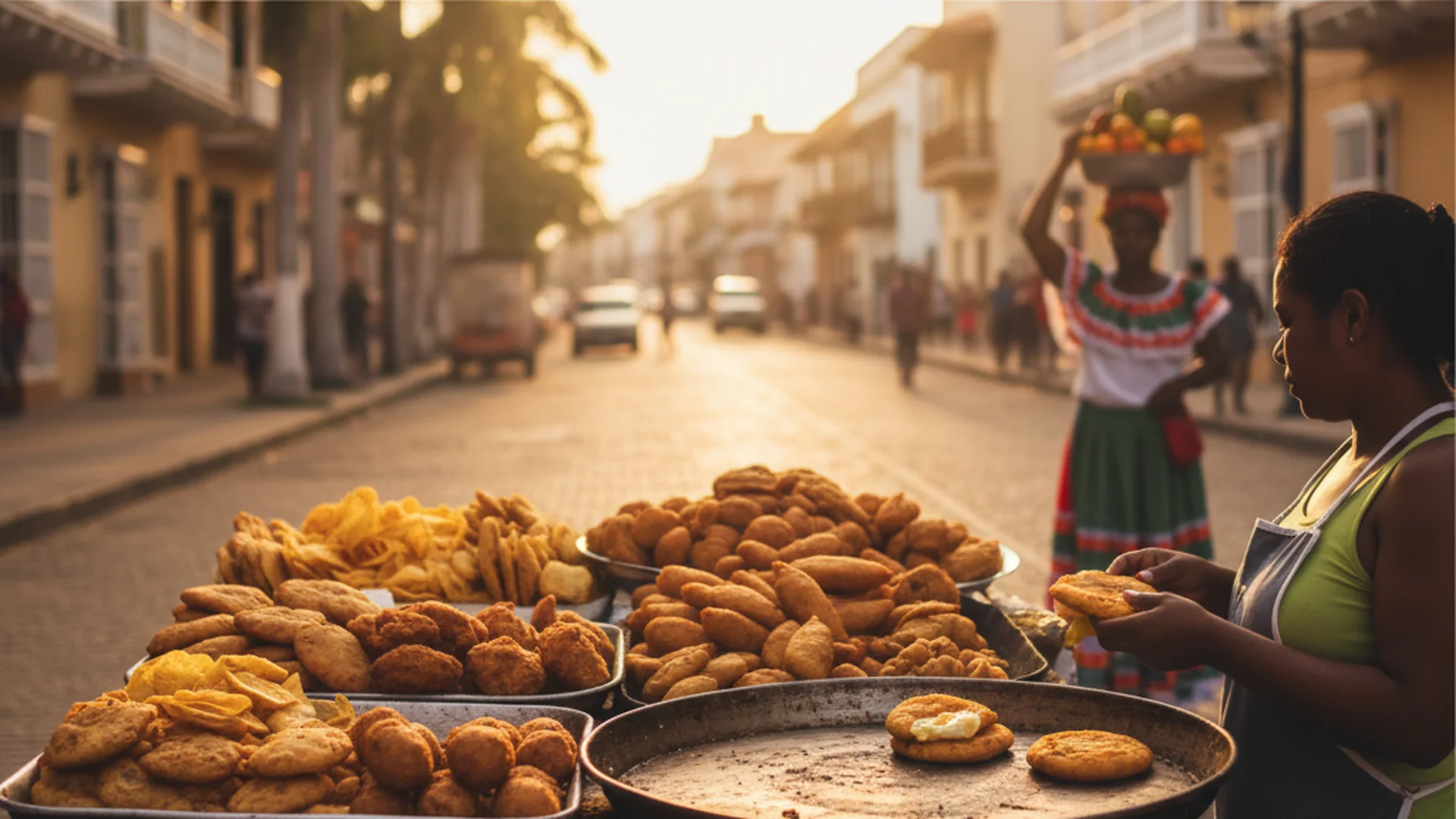
What to try first: arepa de huevo (the Cartagena breakfast), carimañola (fried yuca fritter), ceviche de camarón with crackers, cocadas from the Portal de los Dulces, and agua de coco from any cart on the walled-city streets.
Cash only: Street carts and market stalls are cash only. Bring small bills: COP 1,000, 2,000, and 5,000. Vendors rarely make change for COP 50,000 notes.
Hygiene tips: Fried-to-order food (arepa de huevo, carimañola, empanada) coming straight from hot oil is safe. Ceviche sitting in heat without ice is the real risk: only buy from carts with visible ice and fast turnover. Pre-cut fruit from palenqueras is fine when cut in front of you; avoid pre-cut plates sitting in the sun.
Prices to expect (2026): Arepa de huevo COP 3,000 to 5,000. Carimañola COP 3,000 to 5,000. Ceviche street cup COP 15,000 to 25,000. Agua de coco COP 4,000 to 8,000. Tinto COP 1,000 to 2,000. Mazorca desgranada COP 10,000 to 18,000.
Palenquera photo tip: The expected price for a posed photo is around COP 8,000. Agree before the camera comes out; separate the photo tip from the fruit price.
Say this to order an arepa de huevo
"Una arepa de huevo, por favor. ¿Me la puede hacer bien frita y caliente?"
"One arepa de huevo, please. Can you make it well fried and hot?"
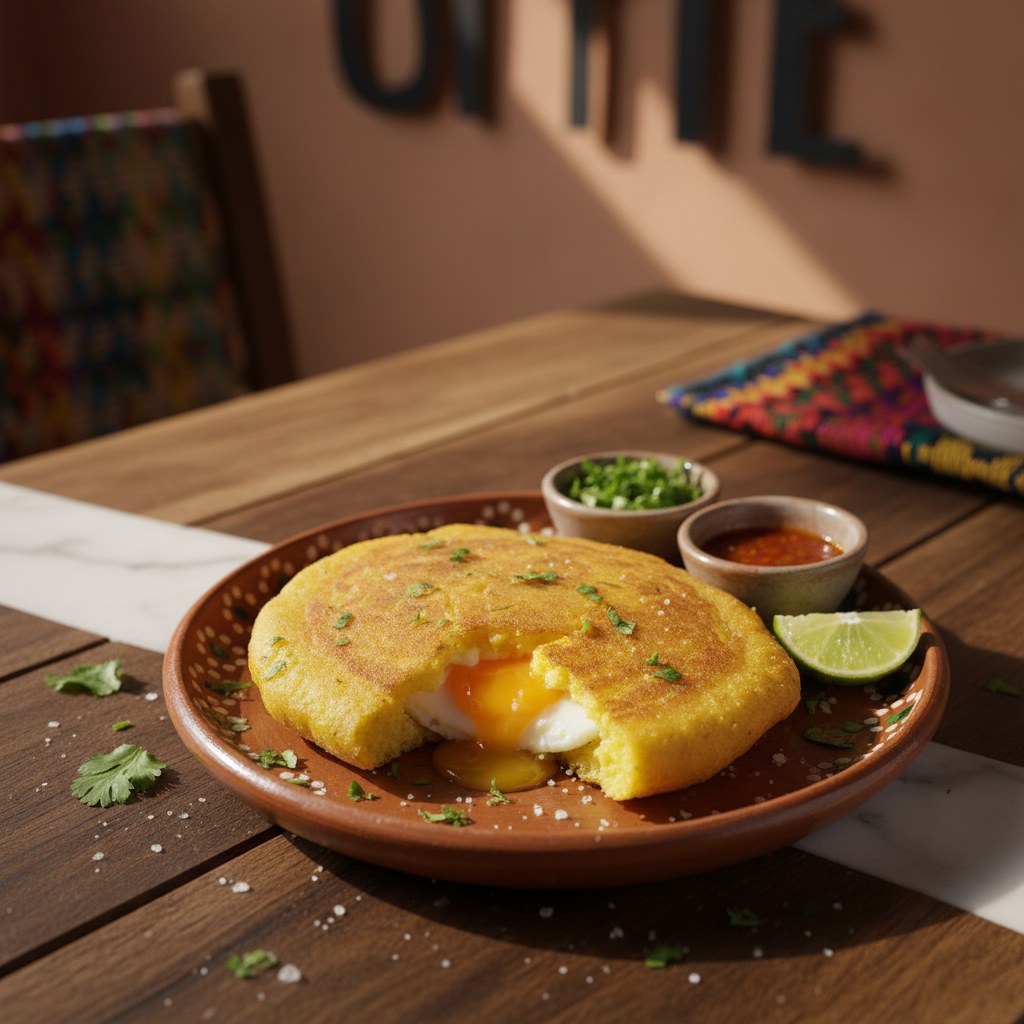
Arepa de huevo
The iconic Cartagenero breakfast and snack: a deep-fried yellow-corn pocket with a whole egg cooked inside, sealed before frying. Crisp outside, silky inside. COP 3,000 to 5,000 from street vendors; up to COP 8,000 in tourist zones. Best stalls: Plaza de San Diego (a family that's been making them for decades), the Éxito San Diego supermarket corner (notable for chicharrón versions and house hot sauces), Parque Fernández Madrid, Plaza de la Trinidad in Getsemaní. The Torre del Reloj corner booth sells a rare trifásica variant with three eggs. Eat them hot, within a couple of minutes of frying.
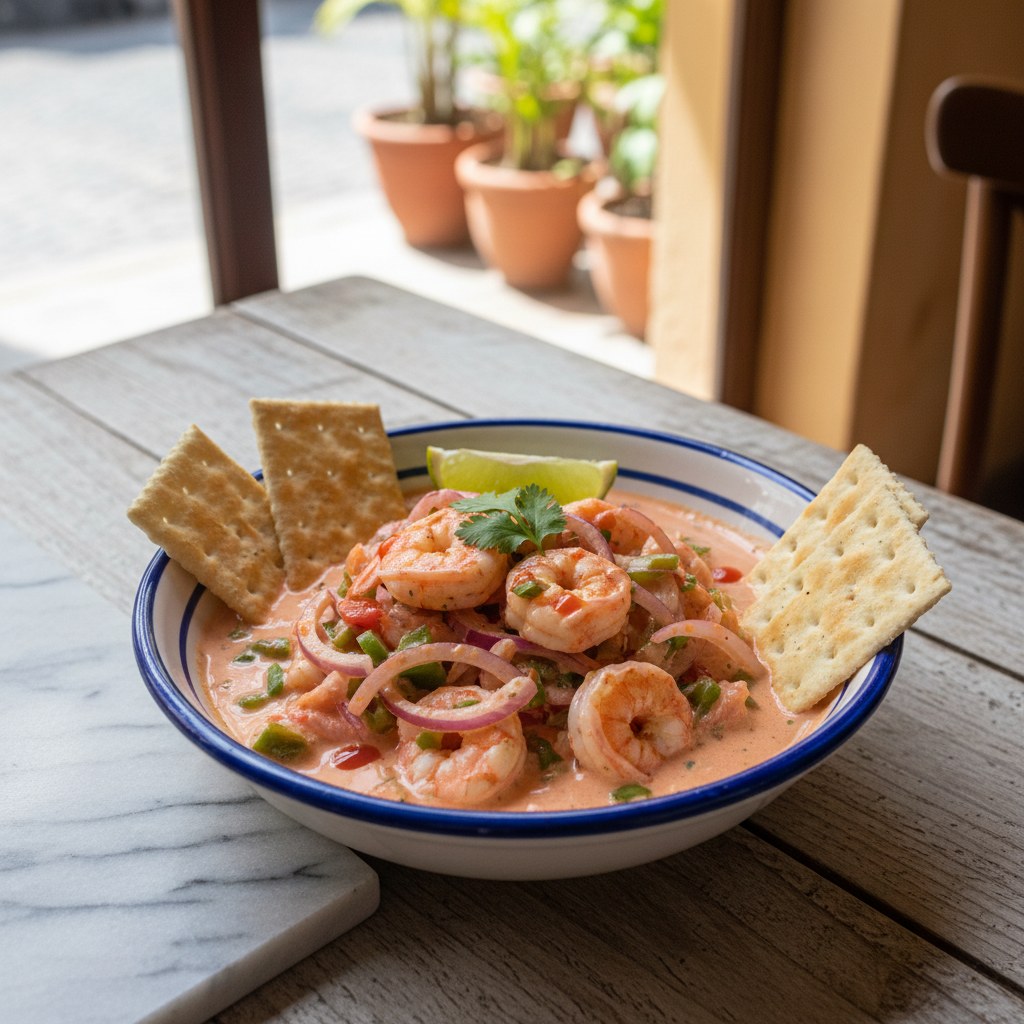
Ceviche de camarón
Cartagena-style ceviche is different from Peruvian. It's pink, creamy, tomato-and-mayo-based, served with saltine crackers. Shrimp is the default; mixed seafood is common. La Cevichería on Plaza de San Diego is the famous spot, made famous by Anthony Bourdain; the Ceviche Colombiano en Tentación runs COP 67,000. Walk-in only, often a queue. Owner Jorge Escandón also guides the Bazurto market tours.
Say this to ask if the ceviche is fresh and on ice
"¿El ceviche está fresco y con hielo? ¿Cuándo lo prepararon?"
"Is the ceviche fresh and on ice? When was it prepared?"
Street ceviche from plastic cups runs COP 15,000 to 25,000 at Plaza Santo Domingo vendors and similar. This is also the one food-safety item worth flagging: ceviche sitting out in heat is the real risk. Eat only from carts with visible ice and steady turnover. If the bowl looks warm, walk.
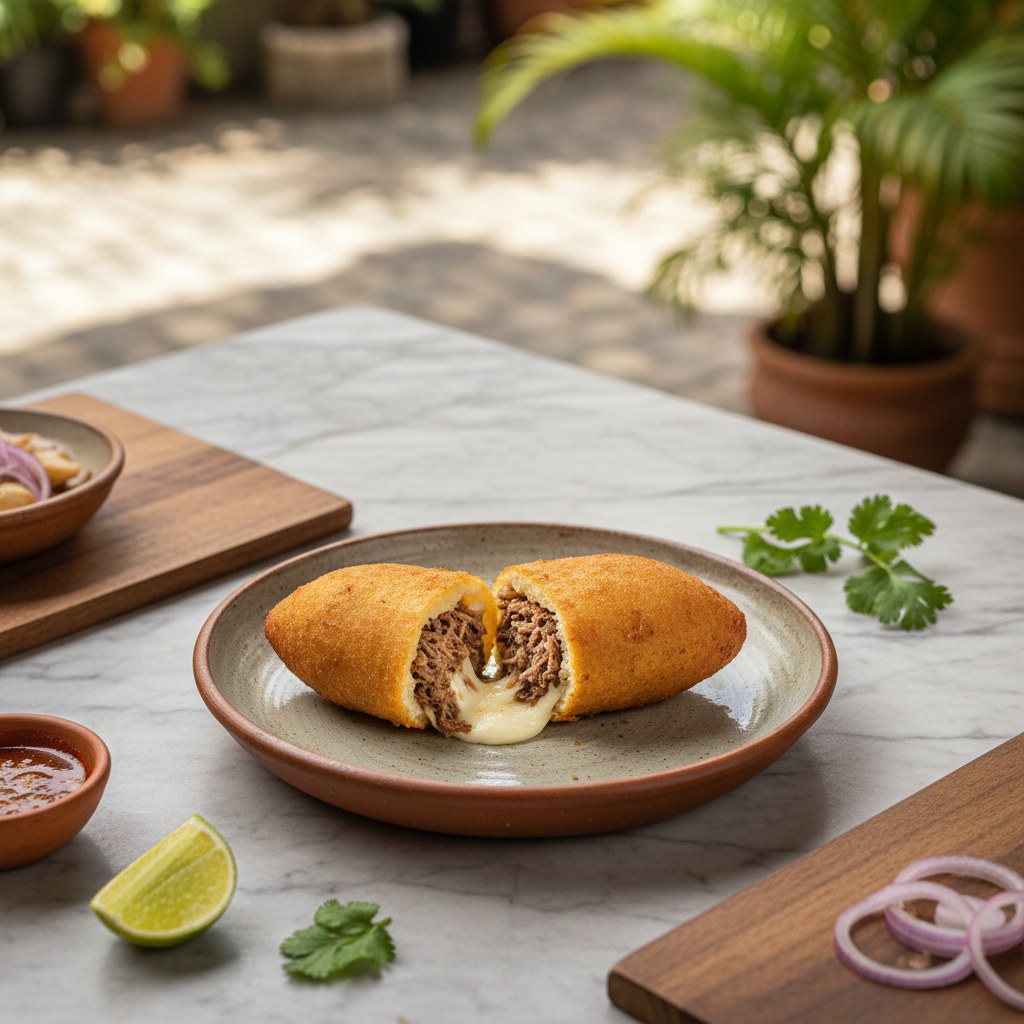
Carimañola and empanadas
Carimañola: a football-shaped yuca (cassava) dough fritter, stuffed with meat or cheese and deep-fried. COP 3,000 to 5,000. Los Fritos de Dora on Plaza de San Diego is the roughly sixty-year-old institution; order everything they have.
Empanada colombiana (beef, chicken, or potato inside yellow corn dough, deep-fried): COP 2,000 to 4,000. Empanada de pipían (potato-peanut filling, southwestern-Colombian origin) appears occasionally on fritanga stalls as a regional variant. Eat them with the aji (hot sauce) on the counter.
Agua de coco and other street drinks
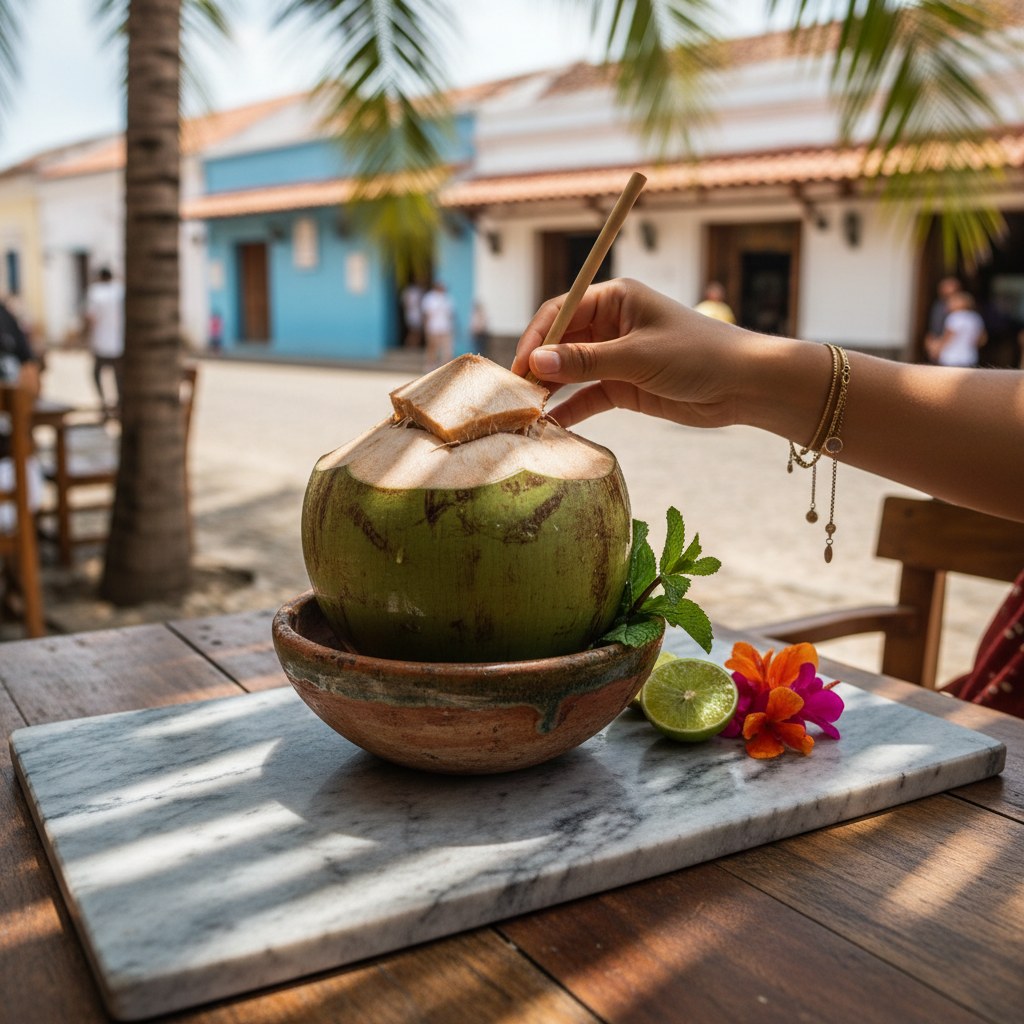
Green coconuts cracked open with a machete, straw inserted, meat (carne) scooped after. COP 4,000 to 8,000. Sold from carts throughout the walled city, Bocagrande, and the beaches. Ask for coco frío if you want it cold, poured into a bag with a straw for about the same price.
Limonada de coco: lime juice blended with coconut cream. The city's signature non-alcoholic drink. COP 10,000 to 18,000 in sit-down restaurants.
Tinto: Colombian black coffee, small cup, usually sweet by default (say sin azúcar if you don't want sugar). COP 1,000 to 2,000 from street vendors carrying thermoses; some Plaza de Bolívar vendors have been on the same corner twenty-plus years. Cafe prices COP 3,000 to 5,000.
Palenqueras and fruit
The women in bright orange, yellow, and white fruit-basket dresses are palenqueras, Afro-Colombian fruit sellers historically from San Basilio de Palenque (see the history). Today their economics are more photo than fruit; the expected tip for a posed photo is around COP 8,000. Try to sneak a photo without tipping and you'll get an earful.
A small fruit plate runs around COP 5,000 direct from them; tourist-zone prices climb to COP 15,000 to 30,000. The rule: agree on the price before they start cutting, and separate the photo tip from the fruit price at the time of order. This isn't rudeness, it's the actual economic arrangement.
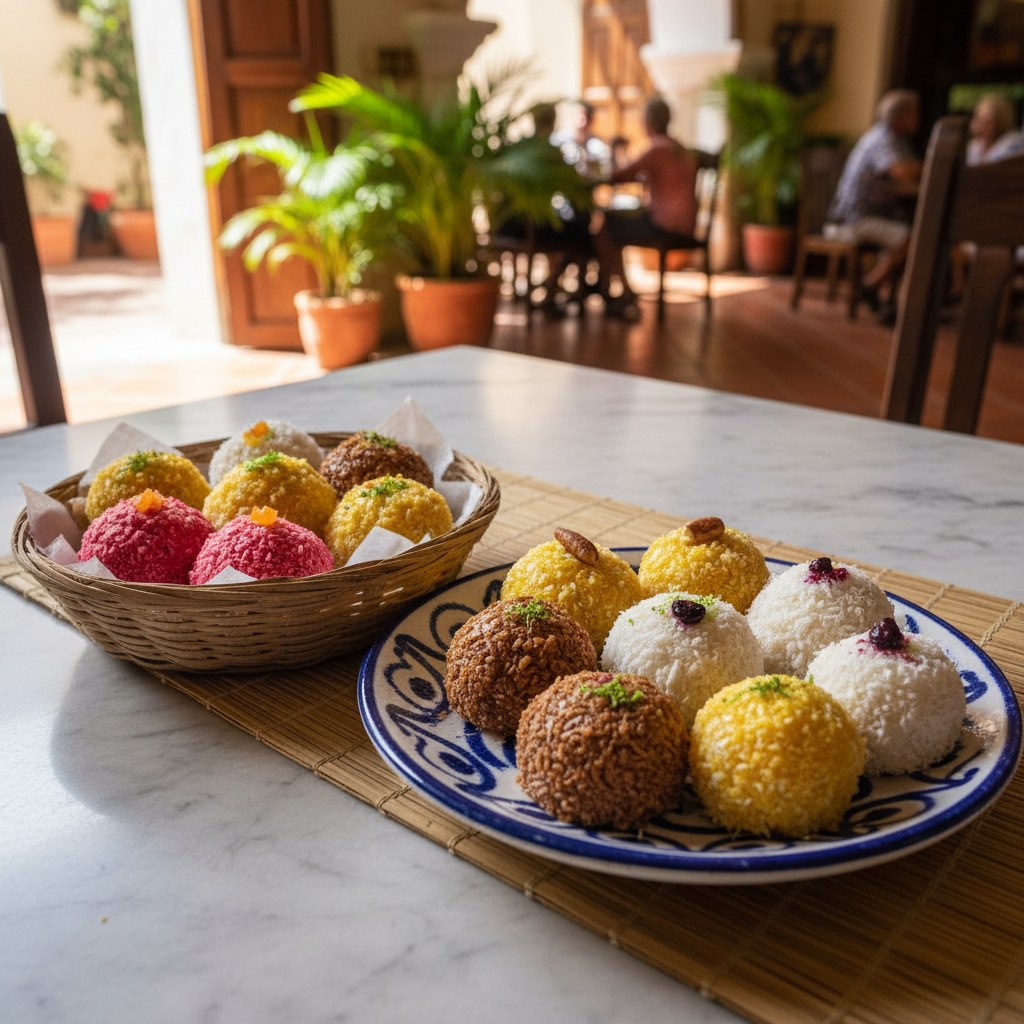
The arcaded walkway on Plaza de los Coches (the Portal de los Dulces) has been a sweets market since 1921. Vendors, historically Black women descended from Palenque traditions, sell cocadas (coconut candy in several colors), dulce de leche, panela-and-milk candies, guava paste, pineapple and passion-fruit sweets, and bolitas de tamarindo. COP 2,000 to 5,000 per piece or small bag. Buy a mixed bag; the coconut with pineapple is the sleeper pick.
Butifarra and the street sausage
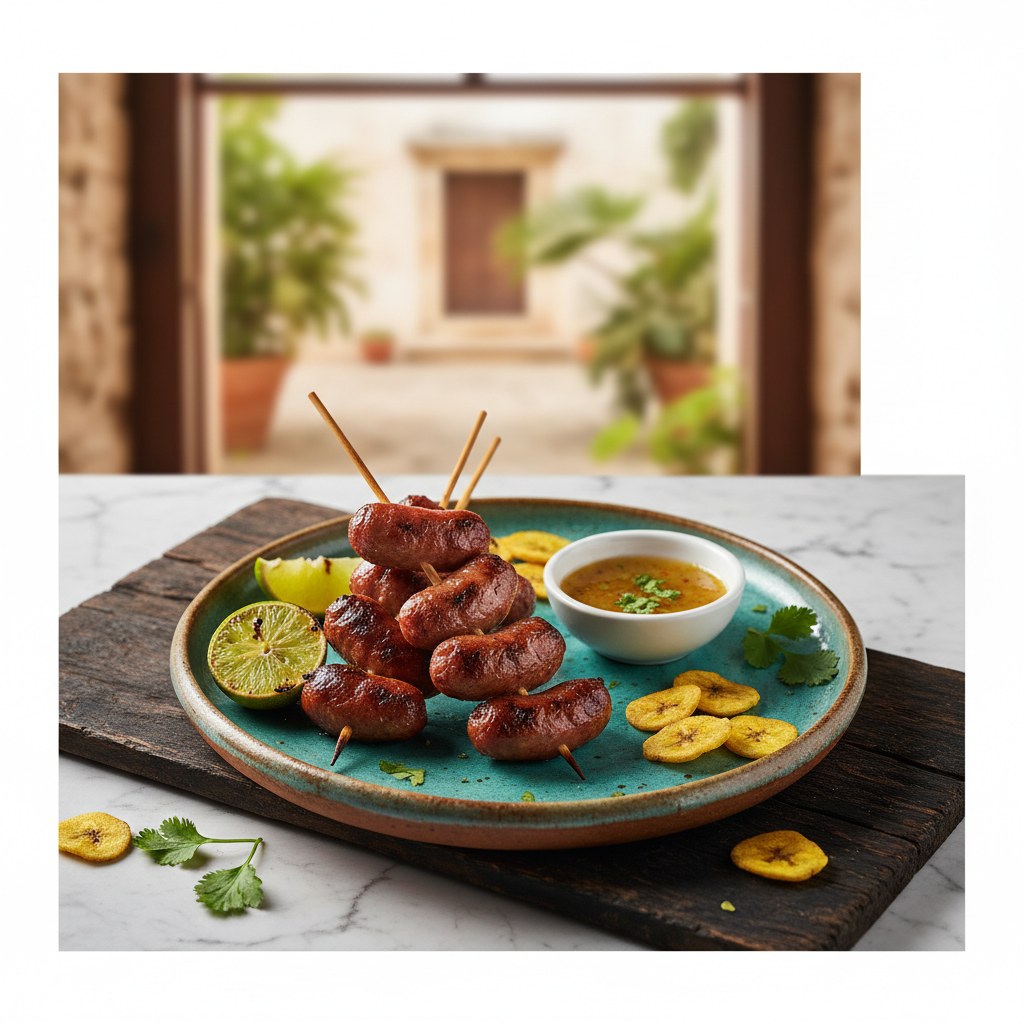
Butifarra Soledeña is the Colombian Caribbean pork sausage (brand marker: Soledad, a town near Barranquilla). Street vendors walk around tapping their metal containers and calling "buti, buti, buti," which is one of the iconic Cartagena sounds. Eaten as bite-size pinchos or as part of a patacón con todo (loaded fried plantain with shredded chicken, chorizo, sausage, cheese). Butifarra pinchos run COP 1,000 to 2,000 each. Patacón con todo is the late-night post-drinking eat.
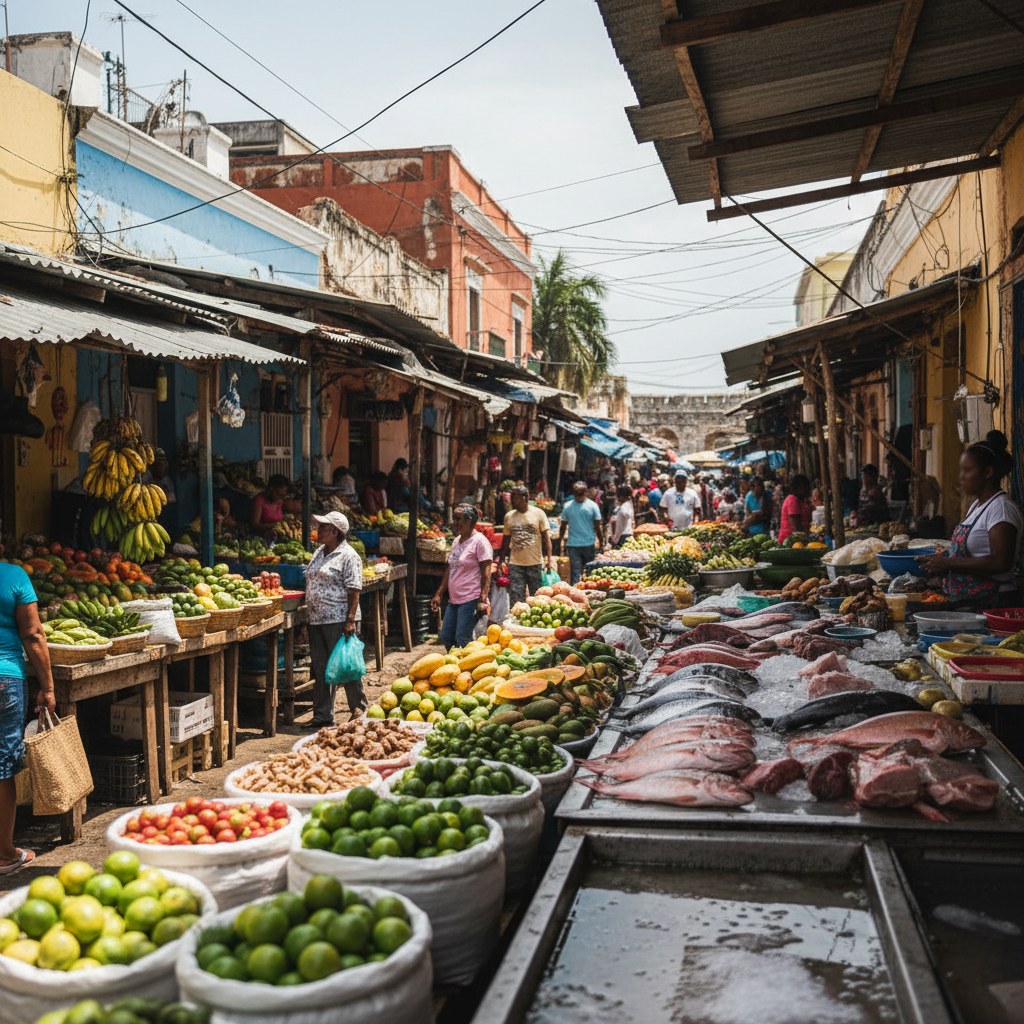
The real food market, about three kilometers southeast of the walled city. This is where restaurants buy, where locals eat, and where the city's food economy actually lives. Chaotic, sensory overload, no English. Smells of fish, ripe fruit, roasting meat, wet floors. Not for first-timers solo, not for small kids, not for the squeamish.
The move is a guided tour. Cecilia's stall (Donde Cecilia) is the Bourdain-famous seafood counter: fresh fish, stewed with coconut rice, arroz con camarón. (A note: Bourdain's episode featured turtle meat and eggs. Those are now illegal and shouldn't be offered; don't order them if they are.) Most operators run 3 to 4 hour breakfast-and-market tours for COP 150,000 to 300,000 per person. Several of the picks on the best Cartagena tours page include Bazurto.
Mazorca, patacones, and the rest
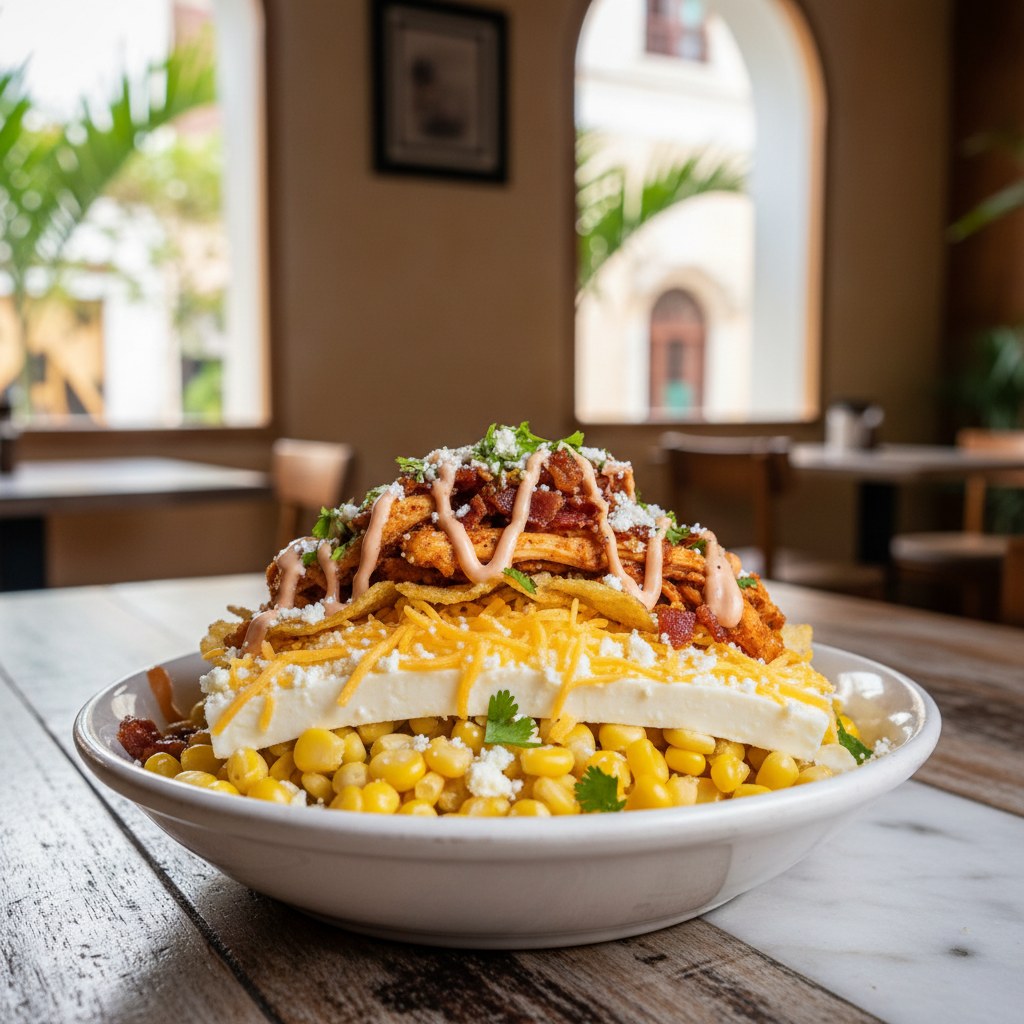
Mazorca asada: grilled corn on the cob with butter and queso costeño crumbled on top. Mazorca desgranada: the kernels off the cob, layered with cheese, crushed potato chips, bacon or shredded chicken, and a pink mayo-ketchup sauce. It's a meal, not a snack. COP 10,000 to 18,000 from food carts and the chain stands.
Patacones: twice-fried green plantain rounds. A side at most restaurants, but a meal as patacón con todo from night-time food carts in Getsemaní and outside Bocagrande clubs.
Vegetarian options
Street food in Cartagena is heavily fried and meat-centric, but not impossible for vegetarians. Café Stepping Stone (Getsemaní) and Beiyu run solid veg-friendly menus. Demente has several plant-forward tapas. Street stalls reliably offer arepa de huevo (egg inside, not meat), carimañolas de queso (cheese), plain patacones, and fresh fruit. Ask for vegetariano or sin carne. Vegan is harder; dedicated vegan spots are limited but growing.
Food tours and cooking classes
Two options worth knowing. Lunático (Getsemaní) is the best-reviewed cooking class in the city: hands-on, rotating three-course menu (sea-bass ceviche, coconut rice, patacones, dessert), optional Bazurto market pickup that runs the morning of the class. Max twelve students. Vegetarian adaptations on request; you can also book this cooking class on Viator. If you'd rather graze than cook, this 10-dish street food tour on Viator hits a mix of street carts and sit-down stops. Bazurto Market Adventure Tour (Viator, 4.8 stars, 423+ reviews) is the best market tour, with lunch at Cecilia's included. See the tours roundup for booking links.
Photo via ViatorPhoto via Viator
Food safety
The real risk is warm ceviche from heat-exposed street carts. Cooked-to-order fried street food (arepa de huevo, carimañola, empanada) is fine because it comes out of hot oil. Pre-cut fruit plates can be risky if they've been sitting in the sun; buy from palenqueras when they freshly cut it in front of you. Ice from established restaurants is filtered. Tap water in the walled city is technically potable but tourists' stomachs often disagree, especially in the first few days. Bottled water is cheap and ubiquitous.
Prices in COP with USD conversions at approximately 4,000:1. Specific venues, hours, and prices change, verify before booking. Last full review: April 2026.
Specific question while you read? Ask Catalina, the Cartagena Guide concierge.¿Pregunta específica mientras lees? Pregúntale a Catalina, la concierge de Cartagena Guide.Chat with Catalina ›Habla con Catalina ›
La comida cartagenera tiene dos registros. En la calle: frita, a base de maíz, barata y genuinamente deliciosa. En la cúpula: un puñado de restaurantes que hacen menús degustación elevados de cocina colombiano-caribeña que salen en las listas de los 50 Mejores del Mundo. Esta guía es el registro callejero. Para una noche en Celele o Carmen, mira la sección de comida del hub de cosas para hacer.
Lo imprescindible de la comida callejera
Qué probar primero: arepa de huevo (el desayuno cartagenero), carimañola (buñuelo de yuca frita), ceviche de camarón con galletas, cocadas del Portal de los Dulces y agua de coco de cualquier carrito en las calles de la ciudad amurallada.
Solo efectivo: Los carritos callejeros y puestos de mercado aceptan solo efectivo. Trae billetes pequeños: COP 1.000, 2.000 y 5.000. Los vendedores casi nunca tienen vuelto para billetes de COP 50.000.
Consejos de higiene: La comida frita por encargo (arepa de huevo, carimañola, empanada) que sale directo del aceite caliente es segura. El ceviche que se queda al calor sin hielo es el riesgo real: solo cómpra de carritos con hielo visible y rotación rápida. La fruta precortada de las palenqueras está bien cuando la cortan frente a ti; evita los platos precortados que llevan al sol.
Precios a esperar (2026): Arepa de huevo COP 3.000 a 5.000. Carimañola COP 3.000 a 5.000. Ceviche en vaso callejero COP 15.000 a 25.000. Agua de coco COP 4.000 a 8.000. Tinto COP 1.000 a 2.000. Mazorca desgranada COP 10.000 a 18.000.
Consejo para foto con palenquera: El precio esperado para una foto posada es alrededor de COP 8.000. Acuerda antes de que salga la cámara; separa la propina de la foto del precio de la fruta.
Di esto para pedir una arepa de huevo
"Una arepa de huevo, por favor. ¿Me la puede hacer bien frita y caliente?"
"One arepa de huevo, please. Can you make it well fried and hot?"
Arepa de huevo
El desayuno y snack icónico del cartagenero: una bolsa de masa de maíz amarillo frita a fuego profundo con un huevo entero cocido adentro, sellada antes de freír. Crujiente afuera, sedosa adentro. COP 3.000 a 5.000 de vendedores callejeros; hasta COP 8.000 en zonas turísticas. Los mejores puestos: Plaza de San Diego (una familia que las hace desde hace décadas), la esquina del supermercado Éxito San Diego (notable por versiones con chicharrón y salsas caseras), Parque Fernández Madrid, Plaza de la Trinidad en Getsemaní. El puesto de la esquina de la Torre del Reloj vende una rara variante trifásica con tres huevos. Cómelas calientes, dentro de un par de minutos de freírlas.
Ceviche de camarón
El ceviche al estilo Cartagena es distinto del peruano. Es rosado, cremoso, a base de tomate y mayo, servido con galletas de soda. El camarón es lo estándar; los mariscos mixtos son comunes. La Cevichería en Plaza de San Diego es el lugar famoso, hecho famoso por Anthony Bourdain; el Ceviche Colombiano en Tentación cuesta COP 67.000. Solo entrada por la puerta, frecuentemente hay fila. El propietario Jorge Escandón también guía los tours del mercado Bazurto.
Di esto para preguntar si el ceviche está fresco y con hielo
"¿El ceviche está fresco y con hielo? ¿Cuándo lo prepararon?"
"Is the ceviche fresh and on ice? When was it prepared?"
El ceviche callejero de vasos de plástico cuesta COP 15.000 a 25.000 en los vendedores de Plaza Santo Domingo y similares. Este también es el tema de seguridad alimentaria que vale la pena señalar: el ceviche que se queda al calor es el riesgo real. Come solo de carritos con hielo visible y rotación constante. Si el tazón se ve tibio, camina.
Carimañola y empanadas
Carimañola: un buñuelo de masa de yuca (casava) en forma de balón de fútbol, relleno de carne o queso y frito a fuego profundo. COP 3.000 a 5.000. Los Fritos de Dora en Plaza de San Diego es la institución de más o menos sesenta años; pide todo lo que tengan.
Empanada colombiana (carne de res, pollo o papa adentro de masa de maíz amarillo, frita a fuego profundo): COP 2.000 a 4.000. Empanada de pipián (relleno de papa y maní, origen del suroeste colombiano) aparece ocasionalmente en puestos de fritanga como variante regional. Cómelas con el ají (salsa picante) que hay en el mostrador.
Agua de coco y otras bebidas callejeras
Cocos verdes abiertos con machete, popote insertado, carne sacada después. COP 4.000 a 8.000. Se venden de carritos por toda la ciudad amurallada, Bocagrande y las playas. Pide coco frío si lo quieres frío, vertido en una bolsa con popote por más o menos el mismo precio.
Limonada de coco: jugo de limón batido con crema de coco. La bebida sin alcohol de firma de la ciudad. COP 10.000 a 18.000 en restaurantes de asiento.
Tinto: café negro colombiano, taza pequeña, normalmente dulce por defecto (di sin azúcar si no quieres azúcar). COP 1.000 a 2.000 de vendedores callejeros que llevan termos; algunos vendedores de Plaza de Bolívar llevan más de veinte años en la misma esquina. Precios en cafés COP 3.000 a 5.000.
Palenqueras y fruta
Las mujeres en vestidos de canasta de fruta brillante naranja, amarillo y blanco son palenqueras, vendedoras de fruta afrocolombianas históricamente de San Basilio de Palenque (mira la historia). Hoy su economía es más foto que fruta; la propina esperada por una foto posada es alrededor de COP 8.000. Intenta tomar una foto sin propina y recibirás un sermón.
Un plato pequeño de fruta cuesta alrededor de COP 5.000 directo de ellas; los precios de zona turística suben a COP 15.000 a 30.000. La regla: acuerda el precio antes de que empiecen a cortar, y separa la propina de la foto del precio de la fruta al momento de la orden. Esto no es falta de educación, es el arreglo económico real.
El pasaje con arcadas en Plaza de los Coches (el Portal de los Dulces) ha sido mercado de dulces desde 1921. Vendedoras, históricamente mujeres negras descendientes de tradiciones de Palenque, venden cocadas (dulce de coco en varios colores), dulce de leche, dulces de panela y leche, pasta de guayaba, dulces de piña y maracuyá y bolitas de tamarindo. COP 2.000 a 5.000 por pieza o bolsa pequeña. Compra una bolsa mixta; el coco con piña es la opción sorpresa.
Butifarra y la salchicha callejera
La Butifarra Soledeña es la salchicha de cerdo caribeña colombiana (marca distintiva: Soledad, un pueblo cerca de Barranquilla). Vendedores callejeros caminan tocando sus contenedores de metal y gritando "buti, buti, buti", que es uno de los sonidos icónicos de Cartagena. Se come como pinchos tamaño bocado o como parte de un patacón con todo (plátano frito cargado con pollo deshilachado, chorizo, salchicha, queso). Los pinchos de butifarra cuestan COP 1.000 a 2.000 cada uno. El patacón con todo es la comida de madrugada post-trago.
El mercado de comida real, alrededor de tres kilómetros al sureste de la ciudad amurallada. Este es donde los restaurantes compran, donde come la gente local y donde la economía de comida de la ciudad realmente vive. Caótico, sobrecarga sensorial, sin inglés. Olores de pescado, fruta madura, carne asada, pisos mojados. No para primerizos solos, no para niños pequeños, no para los aprensivos.
El movimiento es un tour guiado. El puesto de Cecilia (Donde Cecilia) es el mostrador de mariscos famoso por Bourdain: pescado fresco, guisado con arroz de coco, arroz con camarón. (Una nota: El episodio de Bourdain presentaba carne de tortuga y huevos. Esos ahora son ilegales y no deberían ofrecerse; no los pidas si lo hacen.) La mayoría de operadores corren tours de desayuno y mercado de 3 a 4 horas por COP 150.000 a 300.000 por persona. Varios de los picks en la página de mejores tours de Cartagena incluyen Bazurto.
Mazorca, patacones y el resto
Mazorca asada: mazorca a la parrilla con mantequilla y queso costeño desmenuzado encima. Mazorca desgranada: los granos sin la mazorca, en capas con queso, papas fritas machacadas, tocino o pollo deshilachado, y salsa rosa de mayo y ketchup. Es una comida, no un snack. COP 10.000 a 18.000 de carritos de comida y los puestos de cadena.
Patacones: rodajas de plátano verde fritas dos veces. Un acompañamiento en la mayoría de restaurantes, pero una comida como patacón con todo de carritos de comida nocturna en Getsemaní y afuera de clubs de Bocagrande.
Opciones vegetarianas
La comida callejera en Cartagena es muy frita y centrada en carne, pero no imposible para vegetarianos. Café Stepping Stone (Getsemaní) y Beiyu corren menús sólidos amigables con vegetarianos. Demente tiene varios tapas hacia plantas. Los puestos callejeros ofrecen de forma fiable arepa de huevo (huevo adentro, no carne), carimañolas de queso (queso), patacones simples y fruta fresca. Pide vegetariano o sin carne. Vegano es más difícil; los lugares veganos dedicados son limitados pero crecen.
Tours de comida y clases de cocina
Dos opciones que vale la pena conocer. Lunático (Getsemaní) es la clase de cocina mejor reseñada de la ciudad: práctica, menú rotativo de tres cursos (ceviche de lubina, arroz de coco, patacones, postre), recogida opcional del mercado Bazurto que corre la mañana de la clase. Máximo doce estudiantes. Adaptaciones vegetarianas bajo solicitud; también puedes reservar esta clase de cocina en Viator. Si prefieres picar en lugar de cocinar, este tour de comida callejera de 10 platos en Viator combina carritos de calle con paradas sentadas. Bazurto Market Adventure Tour (Viator, 4.8 estrellas, 423+ reseñas) es el mejor tour de mercado, con almuerzo en Cecilia incluido. Mira el resumen de tours para links de reserva.
Foto vía ViatorFoto vía Viator
Seguridad alimentaria
El riesgo real es ceviche tibio de carritos callejeros expuestos al calor. La comida frita cocinada al encargo (arepa de huevo, carimañola, empanada) está bien porque sale del aceite caliente. Los platos de fruta precortada pueden ser arriesgados si han estado al sol; compra de palenqueras cuando cortan fresco frente a ti. El hielo de restaurantes establecidos es filtrado. El agua de grifo en la ciudad amurallada es técnicamente potable pero los estómagos de turistas frecuentemente discrepan, especialmente en los primeros días. El agua embotellada es barata y omnipresente.
Precios en COP con conversiones a USD aproximadamente 4.000:1. Lugares específicos, horarios y precios cambian, verifica antes de reservar. Última revisión completa: abril de 2026.
Newsletter
Get the guide in your inbox
One short email each Saturday. New posts, what's on this week, and anything worth knowing about Cartagena. No spam, unsubscribe anytime.