Day Trips from Cartagena: Rosario Islands, Palenque, and More
Excursiones de un día desde Cartagena: Islas del Rosario, Palenque y más
Six real day trips (plus the one that needs an overnight), ranked by what you actually get versus what you pay for.
Mike Chartrand
April 2026 · 12 min read
Specific question while you read? Ask Catalina, the Cartagena Guide concierge.¿Pregunta específica mientras lees? Pregúntale a Catalina, la concierge de Cartagena Guide.Chat with Catalina ›Habla con Catalina ›
Map of locations in this guide
5 locations marked. Click any marker for details.
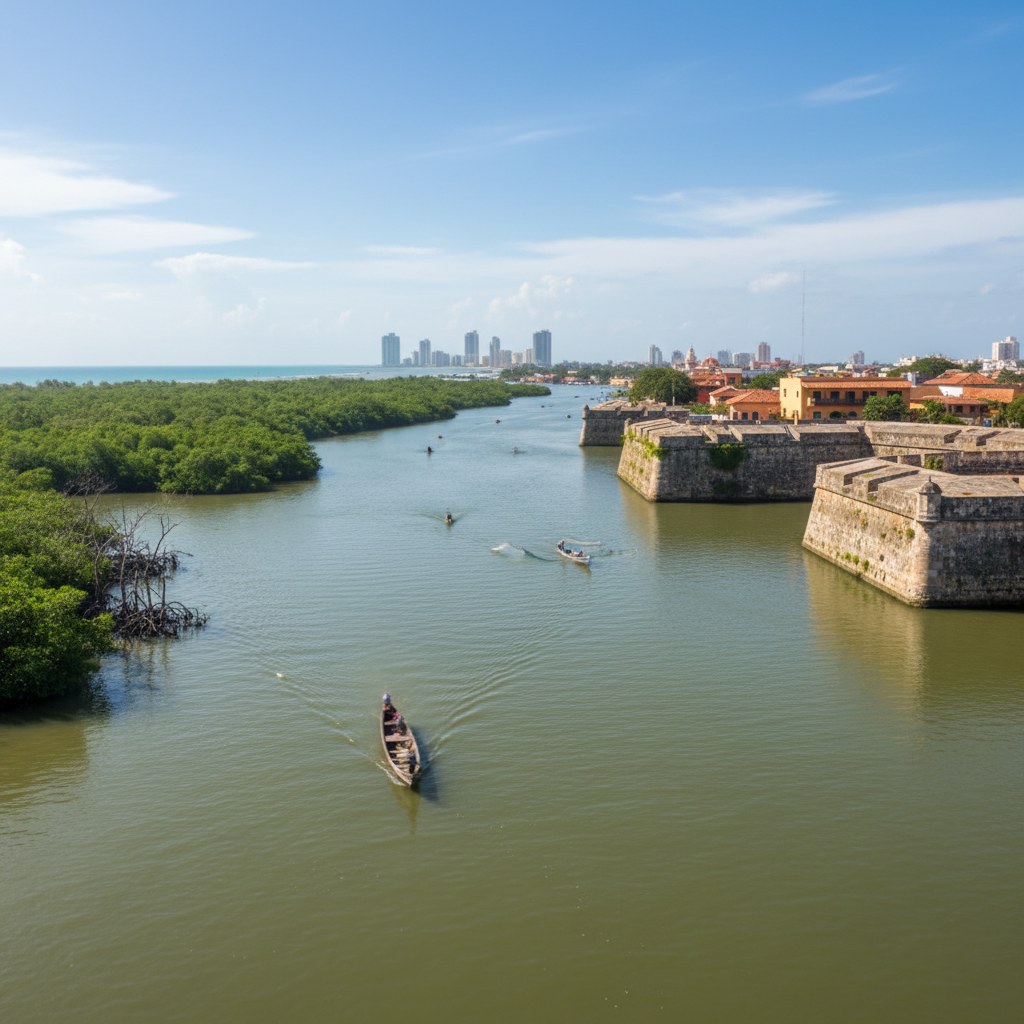
Cartagena earns its reputation, but most visitors stay four or five days, which is more than the walled city plus Castillo San Felipe can fill. Day trips are how the rest of the trip takes shape. Some are genuinely worth the hassle, some are overcommercialized, and one of them (Mompox) isn't a day trip at all no matter what the tour blogs say. Here's an honest ranking.
Day trip quick-reference
Rosario Islands: depart Muelle de la Bodeguita 8 to 9 AM, return 3:30 to 4 PM. COP 90,000 to 300,000 per person. Book the day before (or same morning at the dock). Best December to March.
Playa Blanca / Baru: boat 45 to 60 min or road 90 min. COP 80,000 to 120,000 package. Arrive by 9 AM, leave by 4 PM to beat vendors.
Volcan del Totumo: 50 min north. COP 70,000 to 100,000 group tour. Any morning. Bring COP 20,000 to 30,000 in small bills for tips.
San Basilio de Palenque: 90 min southeast. COP 200,000 to 300,000 with community guide. Full day, book 24 to 48 hours ahead.
Mompox: 6 hours each way. Plan 2 nights minimum, not a day trip.
Rosario Islands (the default choice)
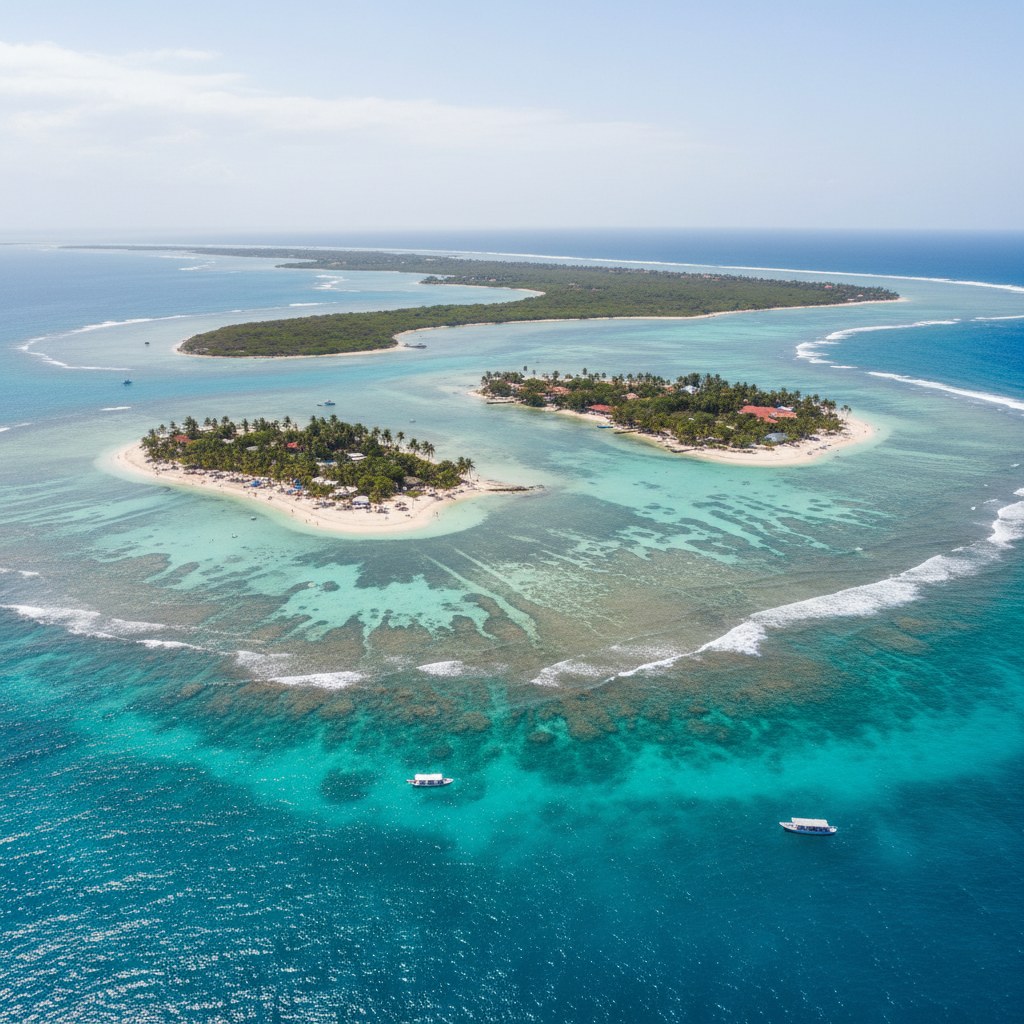
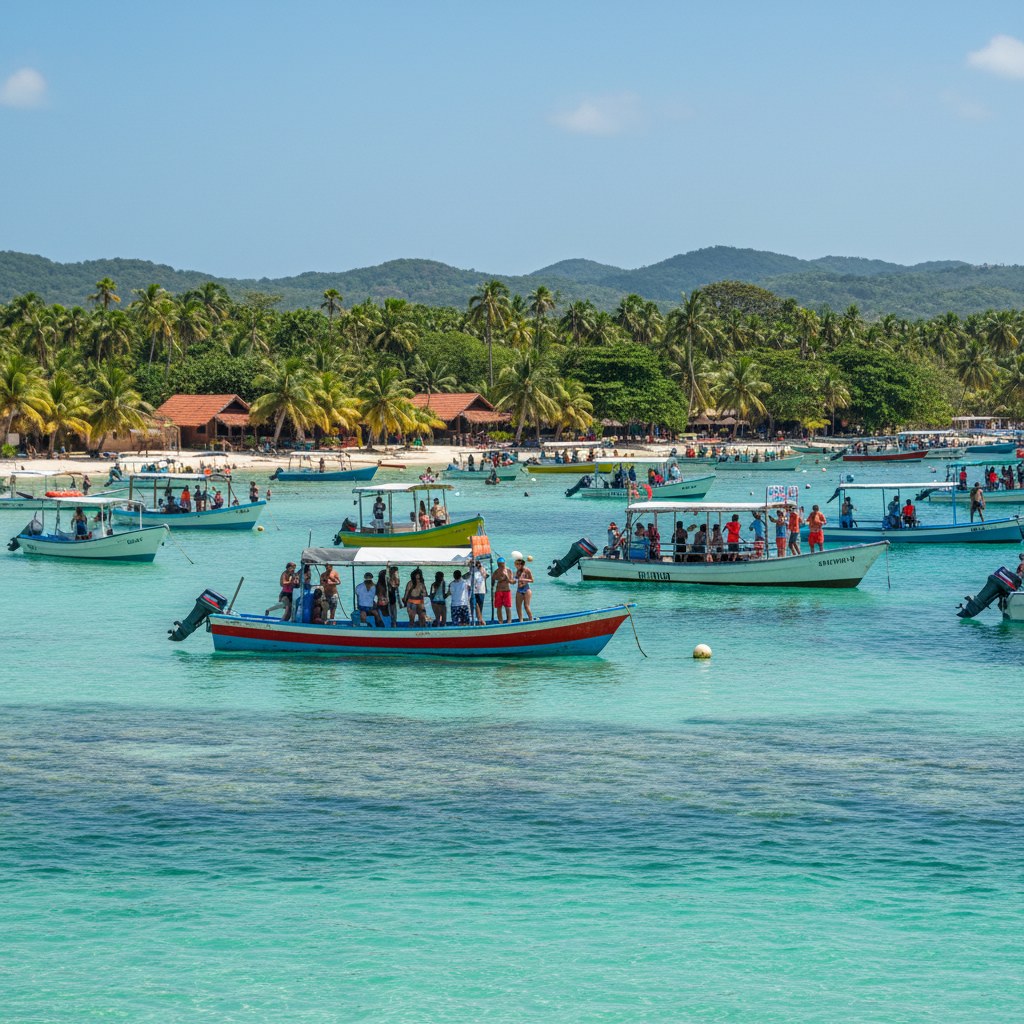
The Rosario archipelago sits about 20 km offshore, a chain of small coral islands inside a national marine park. It's the postcard Caribbean that Cartagena itself doesn't have: clear water, powdery beaches, palm trees that lean the right way. This is what almost every visitor picks for their "beach day."
Boats depart from Muelle de la Bodeguita (behind the Torre del Reloj) between 8:00 and 9:00 AM and return between 3:30 and 4:00 PM. There are roughly three pricing tiers. Shared public speedboats with lunch run COP 90,000 to 180,000 per person. Organized tourist speedboats with beach club access, lunch, and snorkel gear run COP 180,000 to 300,000. A private boat for six to eight people is COP 800,000 to 1.5 million for the day. The marine park entry fee of about COP 20,000 to 30,000 is collected separately at the dock or on arrival and is not always included in the advertised price.
The honest caveat: the group speedboat day is a cattle operation. Dock waits, overcrowded boats, mediocre buffet lunches, and "snorkel stops with more people than fish," as one recent reviewer put it. The smarter play is to pick a hotel day pass at a specific island (Hotel Isla del Encanto, Isla Bela, San Pedro de Majagua on Isla Grande) and skip the island-hopping circus. See our full comparison of where to stay on the Rosario Islands (Majagua, IslaBela, and Isla del Encanto). Better still: overnight on Isla Grande. Once the day-trippers leave at 3 PM, the archipelago empties and you get the Caribbean you came for.
Isla del Pirata has the clearest water and is the standard snorkel stop; Isla Grande is the largest and where the ecolodges cluster; Cholon is the floating-bar party scene, not a quiet swim. December through March has the best weather but also the strongest trade winds, which means rougher seas in the afternoon. Bring non-drowsy motion-sickness pills and sit near the back of the boat.
Playa Blanca on Baru
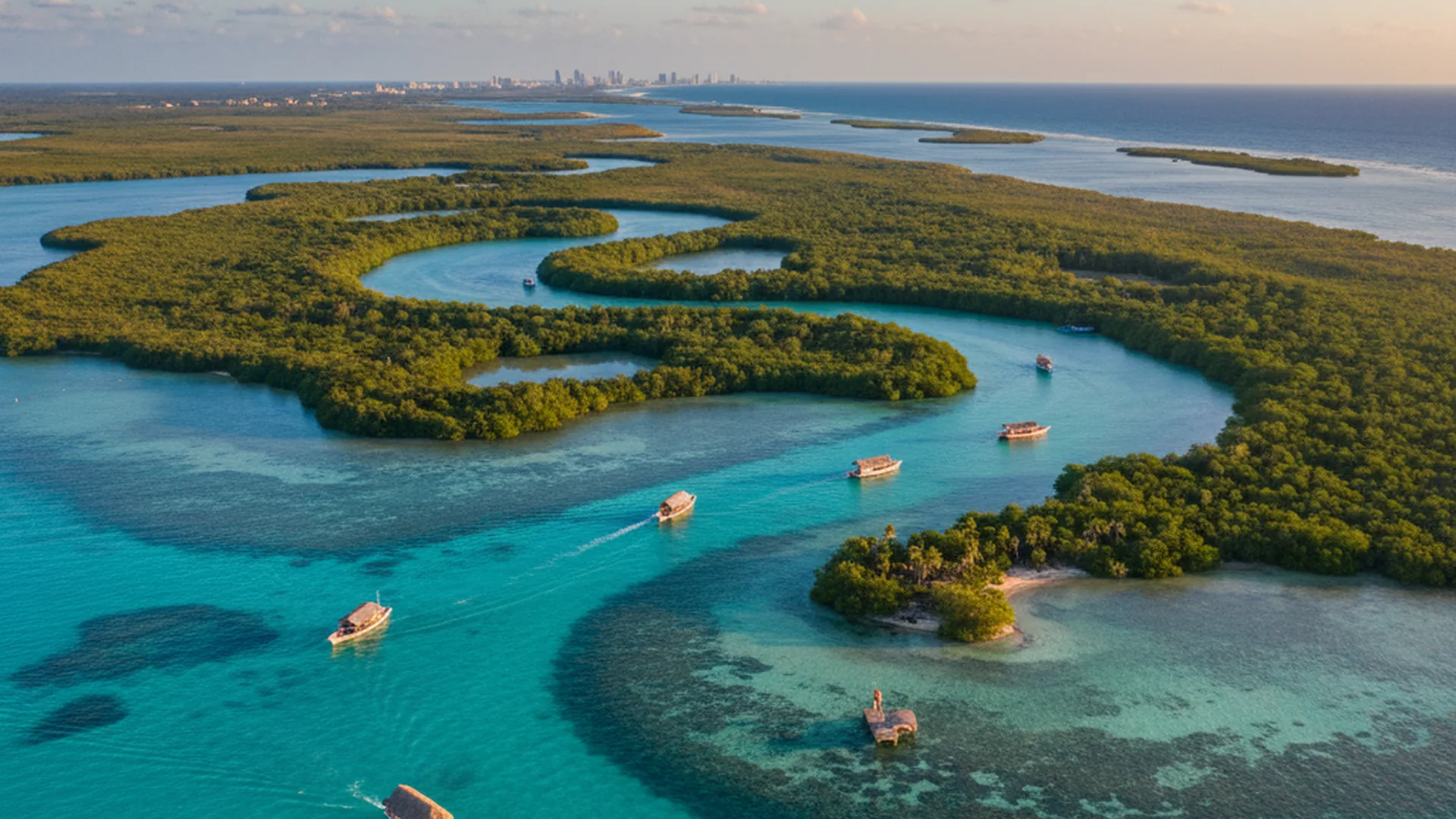
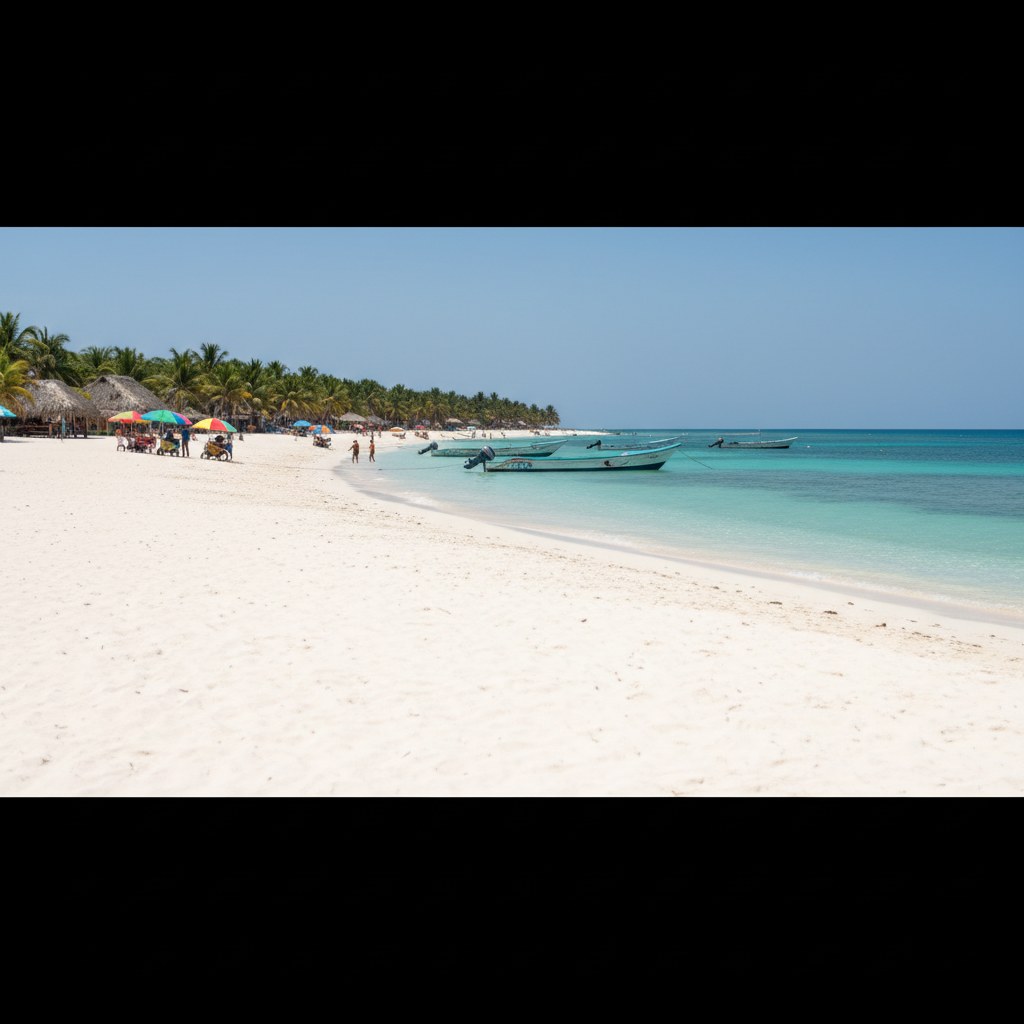
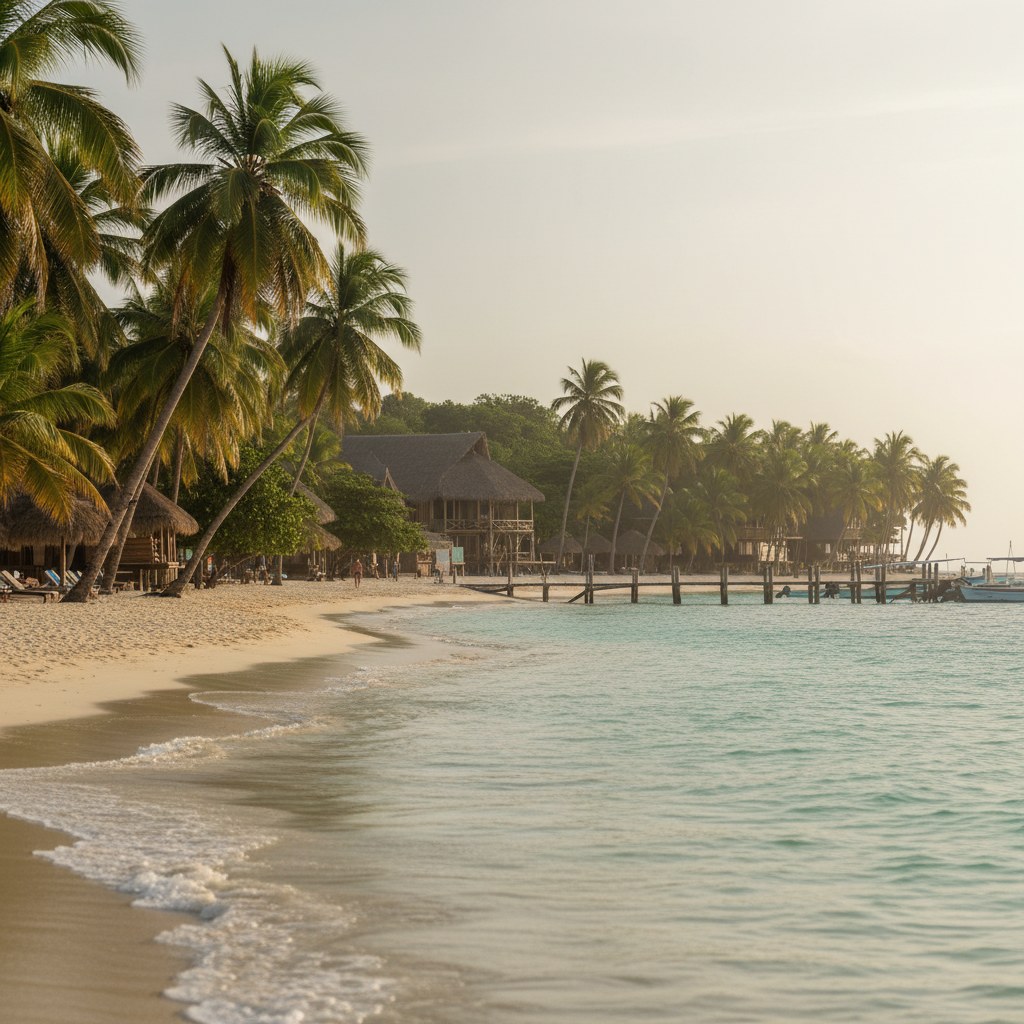
Playa Blanca is the beach on the Baru peninsula (it stopped being an island when the Pasacaballos bridge opened in 2014). The sand is postcard white and the water is turquoise. It is also, from roughly 10 AM to 4 PM, one of the most aggressively vendor-saturated beaches in the Caribbean.
You can get there by boat (45 to 60 minutes from Muelle de la Bodeguita, usually combined with a Rosario stop) or by road (about 90 minutes via the Baru bridge). Day-trip package prices run COP 80,000 to 120,000 per person. Most packages include transport, a beach chair, umbrella, and lunch. The Baru community access fee is around COP 15,000 per person and is charged at the island entrance.
The move for Playa Blanca is to overnight. A small eco-cabin or hostel on the beach itself costs COP 80,000 to 300,000 a night. You get the beach at dawn and again after 5 PM, and you skip the 10 AM to 4 PM day-tripper onslaught. If you're doing a day trip, pick a private beach club with a gated area so the vendor pressure is managed on your behalf.
Volcan del Totumo (the mud volcano)
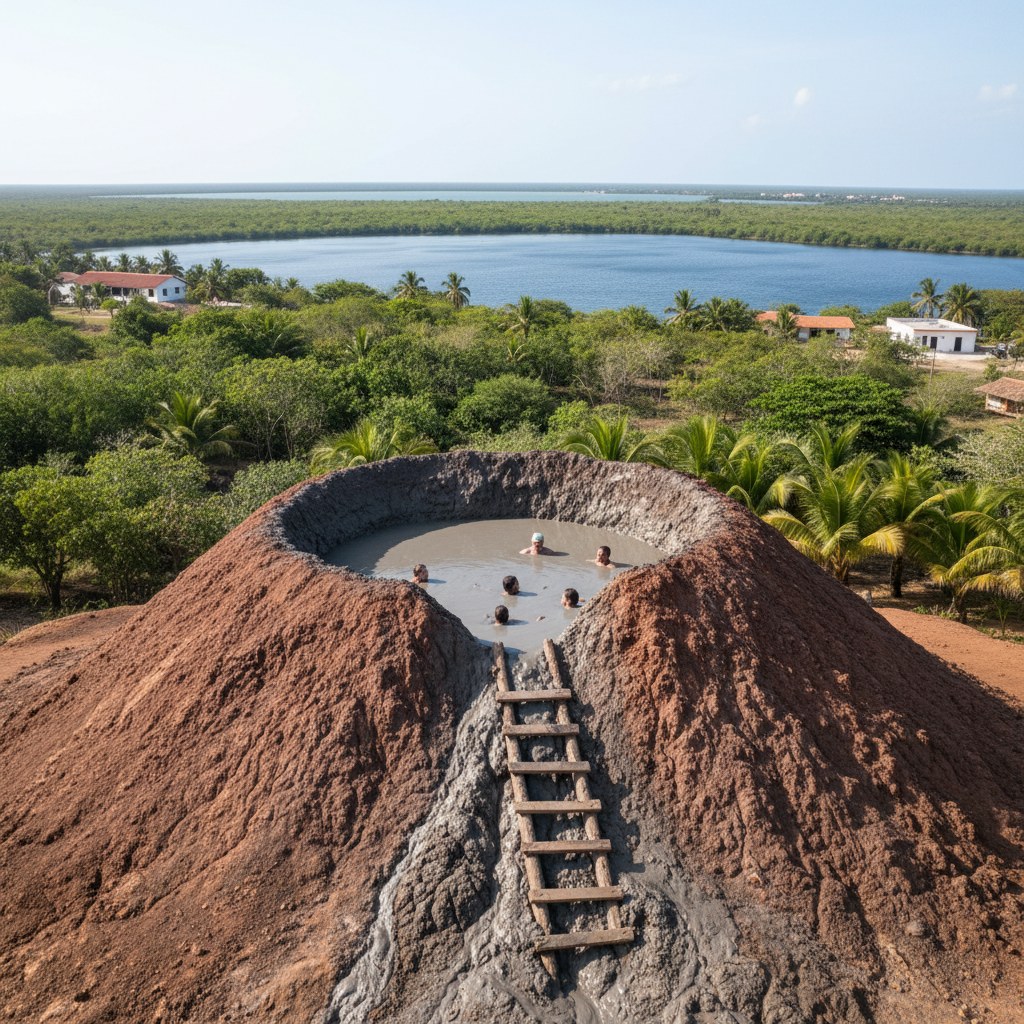
Every tour in Cartagena sells the mud volcano. It's a fifteen-meter mound about fifty minutes north of the city. You climb a wooden ladder to the top, lower yourself into a small warm crater of mineral-dense mud, and float. You come out, get rinsed in the adjacent lagoon by local women, and get back in the van. The entry fee is COP 15,000 to 20,000; a group tour package is COP 70,000 to 100,000.
The honest review: it is the novelty it claims to be, and everything else around it is a tip-extraction chain. People watch your phone for a tip, take your photo for a tip, give you a cursory mud massage for a tip, rinse you in the lagoon for a tip. Budget COP 20,000 to 30,000 in small bills in total and set expectations accordingly. Worth doing once if the concept genuinely appeals to you. Skip it if it doesn't.
San Basilio de Palenque
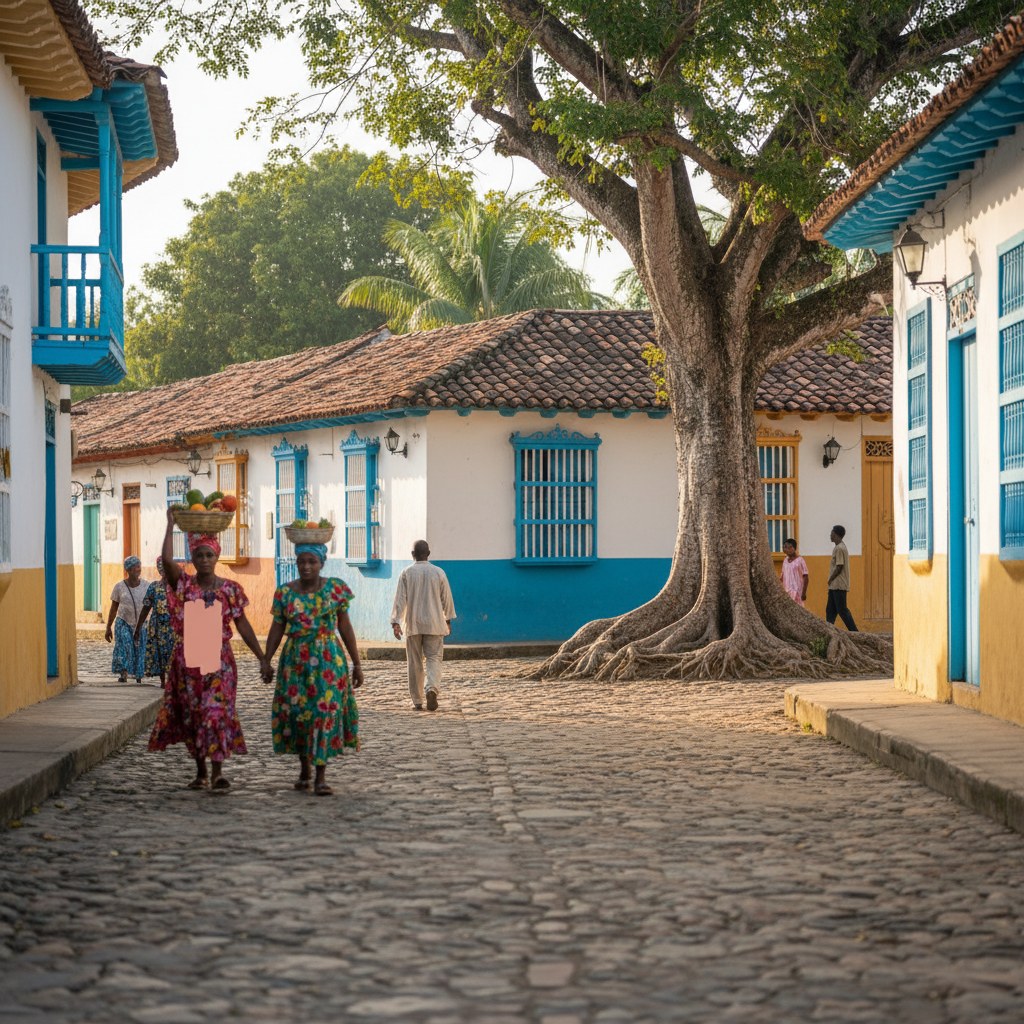
This is the underrated one. Palenque is a small Afro-Colombian town about 90 minutes southeast of Cartagena, founded in the late 1500s by escaped enslaved people under Benkos Bioho. In 2005, UNESCO declared its oral and linguistic traditions, including the Palenquero creole language, a Masterpiece of the Oral and Intangible Heritage of Humanity.
A proper day trip here is led by a certified guide from the community (Beyond Colombia and Alternative Travel Cartagena are the operators most often cited). Expect to visit the central plaza with Bioho's fist-raised statue, hear traditional bullerengue drumming, learn a few words of Palenquero, meet traditional healers, and eat lunch cooked by local families. Tours run 5 to 7 hours including driving time and cost COP 200,000 to 300,000 per person.
Say this
Buenos días. Queremos contratar un guía de la comunidad para el tour de Palenque. ¿Tienen disponibilidad para mañana?
Good morning. We'd like to hire a community guide for the Palenque tour. Do you have availability for tomorrow?
Two things to set straight. First, the "first free town in the Americas" label, while widespread, is more complicated than it sounds. Maroon communities existed in Hispaniola, Panama, and Brazil earlier; what makes Palenque unique is the formal royal decree of 1713 that recognized its autonomy. Second, this is a real village of about 3,500 people, not a museum. Go with a local guide, respect that people live there, and don't treat it like a theme park. For the deeper context, the history of Cartagena covers the Palenque story in detail.
Bahia de Cholon
Cholon is a sheltered bay on the southern tip of Baru that functions as the weekend playground for wealthy Cartageneros with private boats. The scene is floating bars anchored in shallow turquoise water, vendors in canoes selling ceviche and cocktails, music, bottle service, swim-up drinks. The water is cleaner than Playa Blanca, and vendor density on the beach itself is lower because the commerce happens boat-to-boat.
Tours run COP 150,000 to 300,000 per person for a group boat with open bar; a private charter for six to eight people is COP 800,000 or more. Sundays are peak chaos; weekdays are calmer. Best for party-oriented travelers, groups, and bachelor/bachelorette weekends. Not for anyone wanting a quiet beach day.
Mompox (the one that isn't a day trip)
Every Cartagena travel blog mentions Mompox. Almost none of them mention that it's a six to seven hour drive inland on the Magdalena River. It is not a day trip. Plan a minimum of one overnight, ideally two.
The 2020 opening of the Puente de la Reconciliacion (about 12 km of new bridges) cut the travel time significantly and eliminated the ferry crossing. You can now get there by direct bus (Unitransco runs three daily departures, about six hours) or by private transfer (five and a half hours).
What's there: one of the best-preserved colonial towns in Colombia, a UNESCO World Heritage Site since 1995. The architecture is preserved precisely because the Magdalena silted up and trade moved to Barranquilla in the late 1800s, so the economic stagnation became a preservation bonus. Filigree silver jewelry is the town's living craft tradition. Semana Santa processions are world-famous. Gabriel Garcia Marquez used the town as Macondo-adjacent inspiration in Chronicle of a Death Foretold and The General in His Labyrinth.
If you have a week in Cartagena and want to do one thing that feels genuinely different, Mompox is the pick. If you only have four or five days, skip it.
Isla Grande overnight (the Playa Blanca upgrade)
Instead of a Playa Blanca day trip or overnight, consider the same overnight on Isla Grande in the Rosario archipelago. You get the same Caribbean postcard with a fraction of the crowds. Budget-tier stays run COP 150,000 to 250,000 a night (Secreto Hostel, Las Palmeras); mid-tier is COP 400,000 to 700,000 (Hotel Cocoliso, Isla del Encanto); upscale runs COP 900,000 and up (Coralina Island, San Pedro de Majagua).
Scheduled shuttle boats from Muelle de la Bodeguita run to the island and back for COP 120,000 to 180,000 roundtrip. Several hotels offer day passes for COP 180,000 to 250,000 including lunch if you want to test before committing to a stay. Bring cash: there are no ATMs. Power and water can be inconsistent (most properties run on solar plus cisterns). And bring bug spray for dusk.
Practical notes and how to choose
If you have one day trip to spend, the pick depends on what you want. For postcard beach, pick Rosario Islands group tour. For postcard beach without the crowds, overnight on Isla Grande or Playa Blanca. For cultural depth, San Basilio de Palenque. For a party day on the water, Bahia de Cholon. For a novelty photo, Volcan del Totumo. For the best colonial architecture in Colombia and a complete change of pace, Mompox (but plan the overnights).
Almost every tour and transfer to these destinations is bookable through Viator, which adds a convenience markup of roughly 15 to 30 percent over direct booking. Direct booking means going to Muelle de la Bodeguita in person the morning of, or contacting small operators through their Instagram or WhatsApp. If your Spanish is limited and your time is short, Viator is worth the premium. If you're comfortable on the ground and have a day to sort it out, direct booking saves money.
For more on picking the right beach (including the urban options in Cartagena itself), see the best beaches around Cartagena. For the full overview of what else there is to do in and around the city, see the things-to-do hub.
Prices in COP with USD conversions at approximately 4,000:1. Tour and transport prices move with season and fuel; verify at booking. Last full review: April 2026.
Specific question while you read? Ask Catalina, the Cartagena Guide concierge.¿Pregunta específica mientras lees? Pregúntale a Catalina, la concierge de Cartagena Guide.Chat with Catalina ›Habla con Catalina ›
Mapa de lugares en esta guía
5 ubicaciones marcadas. Haz clic en cualquier marcador para detalles.
Cartagena se gana su reputación, pero la mayoría de visitantes se quedan cuatro o cinco días, lo que es más de lo que la ciudad amurallada más el Castillo San Felipe pueden llenar. Los paseos de un día son como toma forma el resto del viaje. Algunos valen genuinamente la molestia, otros están demasiado comercializados, y uno de ellos (Mompox) no es un paseo de un día no importa lo que digan los blogs de tours. Aquí va el ranking honesto.
Referencia rápida de paseos de un día
Islas del Rosario: salida Muelle de la Bodeguita 8 a 9 AM, regreso 3:30 a 4 PM. COP 90.000 a 300.000 por persona. Reserva el día anterior (o la misma mañana en el muelle). Mejor de diciembre a marzo.
Playa Blanca / Barú: bote 45 a 60 minutos o carretera 90 minutos. Paquete COP 80.000 a 120.000. Llega antes de las 9 AM, sal antes de las 4 PM para evitar vendedores.
Volcán del Totumo: 50 minutos al norte. Tour grupal COP 70.000 a 100.000. Cualquier mañana. Trae COP 20.000 a 30.000 en billetes pequeños para propinas.
San Basilio de Palenque: 90 minutos al sureste. COP 200.000 a 300.000 con guía comunitario. Día completo, reserva 24 a 48 horas antes.
Mompox: 6 horas cada lado. Planifica mínimo 2 noches, no es paseo de un día.
Islas del Rosario (la opción por defecto)
El archipiélago del Rosario queda unos 20 km mar adentro, una cadena de islas de coral pequeñas dentro de un parque nacional marino. Es el Caribe de postal que Cartagena misma no tiene: agua clara, playas de arena suave, palmeras que se inclinan en la dirección correcta. Esto es lo que casi todo visitante elige para su "día de playa".
Los botes salen del Muelle de la Bodeguita (detrás de la Torre del Reloj) entre las 8:00 y 9:00 AM y regresan entre las 3:30 y 4:00 PM. Hay aproximadamente tres escalas de precio. Las lanchas rápidas públicas compartidas con almuerzo cuestan COP 90.000 a 180.000 por persona. Las lanchas rápidas turísticas organizadas con acceso a club de playa, almuerzo y equipo de snorkel van de COP 180.000 a 300.000. Un bote privado para seis a ocho personas es COP 800.000 a 1.5 millones el día. La entrada al parque marino de unos COP 20.000 a 30.000 se cobra aparte en el muelle o al llegar y no siempre viene incluida en el precio anunciado.
La salvedad honesta: el día en lancha rápida grupal es una operación de ganado. Esperas en el muelle, botes abarrotados, almuerzos tipo buffet mediocres, y "paradas de snorkel con más gente que peces", como dijo un revisor reciente. El movimiento más inteligente es escoger un day pass del hotel en una isla específica (Hotel Isla del Encanto, Isla Bela, San Pedro de Majagua en Isla Grande) y saltarse el circo de island-hopping. Ver nuestra comparación completa de dónde hospedarse en las Islas del Rosario (Majagua, IslaBela e Isla del Encanto). Mejor aún: pasar la noche en Isla Grande. Una vez los turistas de un día se van a las 3 PM, el archipiélago se vacía y obtienes el Caribe que viniste a buscar.
Isla del Pirata tiene el agua más clara y es la parada de snorkel estándar; Isla Grande es la más grande y donde se agrupan los ecolodges; Cholon es la escena de bares flotantes y fiesta, no un nado tranquilo. De diciembre a marzo hay el mejor clima pero también los vientos alisios más fuertes, lo que significa mares más agitados por la tarde. Trae pastillas contra el mareo sin somnolencia y siéntate cerca de la parte trasera del bote.
Playa Blanca en Barú
Playa Blanca es la playa de la península de Barú (dejó de ser una isla cuando el puente Pasacaballos abrió en 2014). La arena es blanca de postal y el agua es turquesa. También es, desde aproximadamente las 10 AM hasta las 4 PM, una de las playas más agresivamente saturadas de vendedores en el Caribe.
Puedes llegar en bote (45 a 60 minutos desde Muelle de la Bodeguita, generalmente combinado con una parada en Rosario) o por carretera (unos 90 minutos vía puente Barú). Los precios de paquetes de paseo de un día van de COP 80.000 a 120.000 por persona. La mayoría de paquetes incluyen transporte, silla de playa, sombrilla y almuerzo. La tarifa de acceso comunitario de Barú es alrededor de COP 15.000 por persona y se cobra en la entrada de la isla.
El movimiento para Playa Blanca es pasar la noche. Una cabaña eco pequeña u hostel en la misma playa cuesta COP 80.000 a 300.000 la noche. Obtienes la playa al amanecer y de nuevo después de las 5 PM, y te saltas el aluvión de turistas de un día de 10 AM a 4 PM. Si vas a hacer un paseo de un día, elige un club de playa privado con área cerrada para que la presión de vendedores sea manejada por ti.
Volcán del Totumo (el volcán de lodo)
Todo tour en Cartagena vende el volcán de lodo. Es un montículo de quince metros a unos cincuenta minutos al norte de la ciudad. Subes una escalera de madera a la cima, te bajas a un pequeño cráter caliente de lodo denso en minerales, y flotas. Salís, te enjuagan en la laguna adyacente mujeres locales, y vuelves a entrar en la camioneta. La entrada es COP 15.000 a 20.000; un paquete tour grupal es COP 70.000 a 100.000.
La reseña honesta: es la novedad que dice ser, y todo lo demás alrededor es una cadena de extracción de propinas. Gente cuida tu teléfono por propina, te toma fotos por propina, te da un masaje de lodo superficial por propina, te enjuaga en la laguna por propina. Presupuesta COP 20.000 a 30.000 en billetes pequeños en total y establece las expectativas en consecuencia. Vale la pena hacerlo una vez si el concepto genuinamente te atrae. Sáltalo si no.
San Basilio de Palenque
Este es el subestimado. Palenque es un pequeño pueblo afrocaribeño a unos 90 minutos al sureste de Cartagena, fundado a finales de los 1500 por gente esclavizada fugitiva bajo Benkos Bioho. En 2005, la UNESCO declaró sus tradiciones orales y lingüísticas, incluyendo la lengua criolla Palenquero, una Obra Maestra del Patrimonio Oral e Intangible de la Humanidad.
Un paseo de un día apropiado aquí es guiado por un guide certificado de la comunidad (Beyond Colombia y Alternative Travel Cartagena son los operadores más citados). Espera visitar la plaza central con la estatua de Bioho con el puño en alto, escuchar bullerengue tradicional, aprender algunas palabras de Palenquero, conocer curanderos tradicionales, y comer almuerzo cocinado por familias locales. Los tours duran 5 a 7 horas incluyendo tiempo de manejo y cuestan COP 200.000 a 300.000 por persona.
Di esto
Buenos días. Queremos contratar un guía de la comunidad para el tour de Palenque. ¿Tienen disponibilidad para mañana?
Good morning. We'd like to hire a community guide for the Palenque tour. Do you have availability for tomorrow?
Dos cosas que aclarar. Primero, la etiqueta de "primer pueblo libre de las Américas", aunque extendida, es más complicada de lo que suena. Comunidades cimarronas existieron en Hispaniola, Panamá y Brasil más temprano; lo que hace Palenque único es el decreto real de 1713 que reconoció su autonomía. Segundo, esto es un pueblo real de unos 3.500 habitantes, no un museo. Ve con un guía local, respeta que la gente vive allí, y no lo trates como un parque temático. Para el contexto más profundo, la historia de Cartagena cubre la historia de Palenque en detalle.
Bahía de Cholon
Cholon es una bahía protegida en la punta sur de Barú que funciona como el patio de juegos de fin de semana para cartageneros ricos con botes privados. La escena es bares flotantes anclados en agua turquesa poco profunda, vendedores en canoas vendiendo ceviche y cócteles, música, servicio de botellas. El agua es más limpia que Playa Blanca, y la densidad de vendedores en la playa misma es menor porque el comercio ocurre de bote a bote.
Los tours van de COP 150.000 a 300.000 por persona para un bote grupal con bar abierto; un charter privado para seis a ocho personas es COP 800.000 o más. Los domingos son caos total; los días de semana son más tranquilos. Mejor para viajeros orientados a la fiesta, grupos, y fines de semana de despedida. No para nadie queriendo un día de playa tranquilo.
Mompox (el que no es un paseo de un día)
Todo blog de viaje en Cartagena menciona Mompox. Casi ninguno menciona que es un manejo de seis a siete horas tierra adentro en el Río Magdalena. No es un paseo de un día. Planifica un mínimo de una noche, idealmente dos.
La apertura en 2020 del Puente de la Reconciliación (unos 12 km de nuevos puentes) cortó el tiempo de viaje significativamente y eliminó el cruce en ferry. Ahora puedes llegar allá por bus directo (Unitransco corre tres salidas diarias, unos seis horas) o por transferencia privada (cinco horas y media).
Lo que hay allá: uno de los pueblos coloniales mejor preservados en Colombia, Patrimonio de la Humanidad de la UNESCO desde 1995. La arquitectura está preservada precisamente porque el Magdalena se azolvó y el comercio se movió a Barranquilla a finales de los 1800, así que el estancamiento económico se convirtió en un bonificador de preservación. La joyería de filigrana de plata es la tradición de oficio viva del pueblo. Las procesiones de Semana Santa son mundialmente famosas. Gabriel García Márquez usó el pueblo como inspiración adyacente a Macondo en Crónica de una muerte anunciada y El general en su laberinto.
Si tienes una semana en Cartagena y quieres hacer una cosa que se sienta genuinamente diferente, Mompox es la opción. Si solo tienes cuatro o cinco días, sáltalo.
Isla Grande overnight (la mejora de Playa Blanca)
En lugar de un paseo de un día o noche en Playa Blanca, considera la misma noche en Isla Grande en el archipiélago del Rosario. Obtienes la misma postal caribeña con una fracción de las multitudes. Las estadías de nivel presupuesto van de COP 150.000 a 250.000 la noche (Secreto Hostel, Las Palmeras); nivel medio es COP 400.000 a 700.000 (Hotel Cocoliso, Isla del Encanto); de lujo va de COP 900.000 en adelante (Coralina Island, San Pedro de Majagua).
Los botes shuttle programados desde Muelle de la Bodeguita van a la isla e ida y vuelta por COP 120.000 a 180.000 viaje redondo. Varios hoteles ofrecen day passes por COP 180.000 a 250.000 incluyendo almuerzo si quieres probar antes de comprometerte a una estadía. Trae dinero en efectivo: no hay cajeros. La electricidad y el agua pueden ser inconsistentes (la mayoría de propiedades funcionan con solar más cisternas). Y trae repelente para el atardecer.
Notas prácticas y cómo elegir
Si tienes un paseo de un día para gastar, la opción depende de lo que quieras. Para playa de postal, elige tour grupal Islas del Rosario. Para playa de postal sin multitudes, pasa la noche en Isla Grande o Playa Blanca. Para profundidad cultural, San Basilio de Palenque. Para un día de fiesta en el agua, Bahía de Cholon. Para una foto de novedad, Volcán del Totumo. Para la mejor arquitectura colonial en Colombia y un cambio de ritmo completo, Mompox (pero planifica las noches).
Casi todo tour y transferencia a estos destinos es reservable a través de Viator, que añade un markup de conveniencia de aproximadamente 15 a 30 por ciento sobre reservación directa. La reservación directa significa ir al Muelle de la Bodeguita en persona la mañana del viaje, o contactar pequeños operadores a través de su Instagram o WhatsApp. Si tu español es limitado y tu tiempo es corto, Viator vale la prima. Si estás cómodo en el terreno y tienes un día para arreglarlo, la reservación directa ahorra dinero.
Para más sobre elegir la playa correcta (incluyendo las opciones urbanas en Cartagena misma), ver las mejores playas alrededor de Cartagena. Para la descripción completa de qué más hay para hacer en y alrededor de la ciudad, ver el hub de cosas que hacer.
Precios en COP con conversiones USD en aproximadamente 4.000:1. Los precios de tour y transporte se mueven con la temporada y el combustible; verifica al reservar. Última revisión completa: abril 2026.
Newsletter
Get the guide in your inbox
One short email each Saturday. New posts, what's on this week, and anything worth knowing about Cartagena. No spam, unsubscribe anytime.